Search Results
159 results for “cat labor signs”

CoQ10 for Senior Dogs and Cats: Spotting the Signs and Picking a Reliable Supplement
As pets age, their liver makes less CoQ10, and the heart—which has the highest energy demand in the body—feels it first. CoQ10 helps power heart-muscle cells and limit oxidative stress, so a shortfall can show up as tiredness, coughing, or faster breathing. Knowing the warning signs and what a well-built formula contains helps you choose a supplement that actually supports your senior dog or cat.
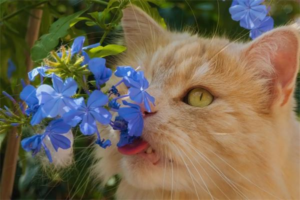
Why Is Your Cat Breathing Loudly
Loud or heavy breathing in cats can be a stuffy nose from debris, a normal quirk after waking, or illness such as rhinitis or bronchitis. Short-nosed breeds especially breathe noisily while sleeping. Check the nostrils for foreign objects first; if congestion lingers with coughing, low appetite, or rapid breathing, see a vet for bronchitis. Treatment pairs fluids, anti-inflammatories, and nebulization, and reducing dust and allergens prevents recurrence.

Carbon Monoxide Poisoning in Dogs and Cats
Carbon monoxide poisoning occurs when pets breathe gas from faulty heaters, car exhaust, or confined smoke. It binds to blood and starves tissues of oxygen, causing vomiting, weakness, bright-red gums, seizures, and coma. Move the pet to fresh air and get veterinary help at once.

Ephedrine Poisoning in Dogs and Cats
Ephedrine poisoning happens when pets receive too much ephedrine-containing medication. It causes restlessness, trembling, drooling, vomiting, and dangerously fast heart and breathing rates. Stopping the drug and prompt veterinary care are essential.

Copper Metabolism Disorders in Dogs and Cats
Copper metabolism disorders in dogs and cats include copper toxicity, acute shock or chronic liver disease with anemia and ascites, and copper deficiency, causing anemia, bone and joint disease, and faded coat color. They are managed by correcting dietary copper and treating liver disease.

Cor Pulmonale in Dogs and Cats: Symptoms, Treatment, and Prevention
Cor pulmonale (pulmonary heart disease) is right-sided heart failure driven by high pressure in the pulmonary arteries, usually from chronic lung disease, heartworm, or chest-wall disorders. Signs include cough, labored breathing, and fluid buildup, and treatment must target the underlying cause.

Dilated Cardiomyopathy in Dogs and Cats: Symptoms, Treatment, and Prevention
Dilated cardiomyopathy (DCM) is a heart-muscle disorder in which the ventricular chambers enlarge and weaken, leading to poor pumping, congestive heart failure, and arrhythmias. Large and middle-sized breeds are most at risk, and signs include weakness, coughing, abdominal swelling, and fainting.
Glomerulonephritis in Dogs and Cats
Glomerulonephritis is immune-mediated inflammation of the kidney's filtering units, often following infection or toxicity, causing fever, vomiting, kidney pain, and later blood in the urine or edema. Veterinary care controls inflammation and protects kidney function before uremia develops.

Pyothorax (Empyema) in Dogs and Cats: Symptoms, Treatment, and Prevention
Pyothorax is pus accumulating in the chest cavity from a bacterial infection of the pleura, causing fever, labored breathing, and a fluid-splash sound. It is treated by draining and flushing the chest and with prolonged antibiotics.
Hemothorax (Blood in the Chest) in Dogs and Cats: Symptoms, Treatment, and Prevention
Hemothorax is blood collecting in the chest cavity from chest trauma, surgery, or a bleeding disorder, causing shock and labored breathing. It is an emergency treated by stabilizing the patient, draining the blood, and stopping the source.