Search Results
13 results for “cat kneading”
Why does my cat suck on its own body while also kneading?
Sucking its own nipple is self-comforting, common in kittens or unspayed cats, from lack of maternal care, stress, hunger, oral discomfort, or loneliness. Stress and anxiety can also drive licking and sucking; comfort the cat to build security.
My cat has a small bump near its anus; is it normal?
From the photo, the anus shows no obvious abnormality and it should be normal. A cat may show slight anal protrusion when kneading or excited—this is normal. Severe protrusion or swelling could indicate prolapse or anal gland inflammation, or parasites.

Friendly Behaviors Your Cat May Show
Not all cats are aloof — some are very friendly and may even step in to break up fights between other cats. Friendly signs include gently protecting kids, stopping arguments, offering their body as a pillow, playing with children, and comforting a sad owner with kneading and licking.
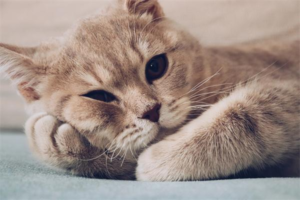
Why Do Cats Knead (Make Biscuits)?
Cats knead for many reasons: they do it when comfortable, relaxed, or safe, often purring while pressing their paws. It can recall nursing as kittens, serve as a self-soothing response to stress, and express happiness or closeness to a person. Very frequent or intense kneading may signal stress, so watch for that.
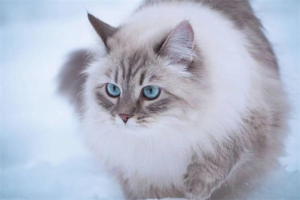
Why Do Some Cats Never Knead?
A cat that never kneads may simply be that way by nature, or it may have missed out on time with its mother as a kitten and never learned the behavior. A cat's environment also shapes its behavior and mood: warmth and comfort bring more security and make kneading more likely. If a cat suddenly stops kneading, though, an underlying health issue could be the cause, so see a vet if you notice any discomfort.
What Is Your Cat Thinking When It Kneads?
When a cat kneads you with its paws, it is reliving the comfort of nursing — treating you like its mother and marking you with its scent. It is a sign of deep trust and contentment; let it enjoy the moment, and keep its nails trimmed so the kneading stays gentle.
How to Tell If Your Cat Is Happy at Home
A relaxed, content cat shows it in small ways: sleeping in odd poses, following you around, holding its tail high, the occasional mad dash, and kneading with its paws. Reading these signals helps you know your cat truly feels safe.

The Secret Behind Why Cats Knead
Kneading is a habit cats form as nursing kittens, pressing the mother's belly to draw milk while feeling warm and safe. Many keep it into adulthood as a way to communicate comfort and affection. There's even an evolutionary angle: scent glands in the paws release pheromones during kneading that signal bonding and can calm aggression. When your cat kneads you, stay quiet, don't grab the tail, and let it express its love. This article uncovers the reasons and the gentle way to respond.

When Do Cats Knead (and What Does It Mean)?
Cats usually knead in a few clear situations: when hungry, when happy and relaxed, during heat, or when missing their mother. The behavior starts in kittenhood—pawing the mother's belly to stimulate milk—so a hungry cat may knead to ask for food, while a content cat kneads to show trust. During heat, kneading is self-soothing and shouldn't be interrupted. When your cat kneads you, it feels safe and fond of you, so don't push it away. This article explains the triggers and how to respond.

Why Do Cats Knead?
Cat kneading—pushing the front paws rhythmically against a soft surface—starts in kittenhood, when kittens press the mother's belly to stimulate milk flow. Many adult cats keep the habit and knead when relaxed, happy, or seeking comfort. It can also mark territory (scent glands in the paws) or, in intact cats, signal heat. When your cat kneads you, it usually means trust and affection—so don't push it away. This article explains the meanings and how to respond.