Search Results
390 results for “cat kidney”
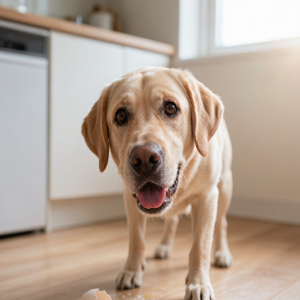
Why Is My Dog Suddenly Vomiting?
There are many reasons a dog may vomit. The color of the vomit and what it contains each point to a different underlying condition. Below we have organized several vomit colors, ranked from mild to severe, to help you quickly tell what is going on with your dog. But whenever vomiting occurs, the first step is to withhold food and get your dog to the veterinarian as soon as possible during the golden window for treatment.

When Does a Dog Need Dental Surgery?
Dental surgery is a treatment or preventive measure for dental disease, mainly cleaning and polishing the dog's teeth. Note that no oral problem stays the same; on the contrary, the condition will continue to develop, making treatment more difficult, which also means a longer, more complex, and more expensive treatment process. In other words, when you need to properly treat your pet's dental disease, the earlier the better.

What to Do If Your Dog Eats Rat Poison
Depending on the amount, type, and timing of rodenticide ingestion, some pets can be treated on an outpatient basis while others require hospitalization. Treatment for rodenticide poisoning may include one or more of the following approaches:

Diseases with Symptoms Similar to Feline Liver Failure
Liver failure is an abnormality that occurs when the liver is affected by impaired blood flow, reduced oxygen supply, hepatotoxic drugs or chemicals, excess heat, or infectious agents. Liver failure can occur in dogs and cats of all ages and breeds. It may affect multiple organ systems, including the liver and gallbladder, nervous system, gastrointestinal tract, and blood system. Affected pets may show various symptoms, including anorexia, lethargy, depression, vomiting, diarrhea, seizures, abdominal fluid accumulation, bleeding, and jaundice (yellowing of the skin).
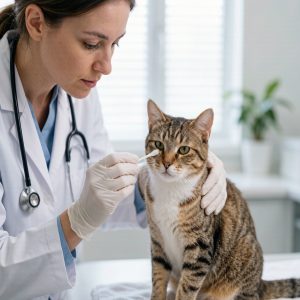
What to Do for Feline Liver Failure
The veterinarian will perform various tests to diagnose liver failure and rule out other diseases that may cause similar symptoms. Obtaining a complete history, describing clinical signs, and a thorough physical examination are all important methods for reaching a diagnosis. In addition, a liver biopsy is necessary in some cases to obtain a definitive diagnosis. Your veterinarian may recommend the following tests to rule out other diseases and confirm the diagnosis of liver failure.

Symptoms and Treatment of Dehydration in Dogs
Dehydration occurs when the body's water falls below normal levels, usually involving loss of water and electrolytes such as sodium, chlorine, and potassium. This article describes the signs of dehydration in dogs, how it is diagnosed, and how it is treated.
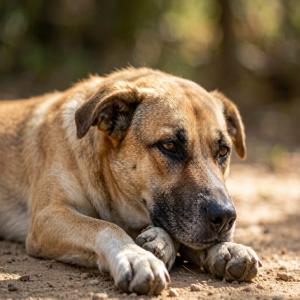
Causes and Diagnosis of Dehydration in Dogs
Dehydration can be caused by many diseases or abnormalities, which fall into two broad categories: reduced fluid intake and increased fluid loss. This article explains the common causes and how veterinarians grade dehydration severity by skin elasticity and lab tests.
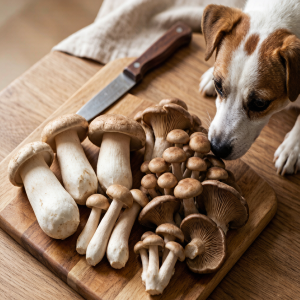
Can Dogs Eat Mushrooms?
This is a topic that demands attention: ordinary store-bought mushrooms are fine for your dog, but wild mushrooms carry a risk of toxicity to both people and dogs. Be especially careful not to let your dog eat wild mushrooms. This article covers safe preparation and the dangers of wild mushrooms.

How Inflammatory Bowel Disease in Dogs Is Diagnosed
There are many causes of IBD in dogs, such as ordinary enteritis from improper diet, parasite-driven enteritis, and viral enteritis that generally needs antiviral treatment. This article explains the in-depth diagnostic workup used to confirm IBD.

Symptoms of Inflammatory Bowel Disease in Dogs
Canine IBD is a group of gastrointestinal diseases involving infiltration of inflammatory cells into the dog's gastrointestinal tract. IBD can affect the upper and lower digestive tracts and is the most common cause of chronic vomiting and diarrhea in dogs. The cause of IBD is not yet clear. This article covers its symptoms, diagnosis, and treatment.