Search Results
146 results for “cat kidney disease”

Cat Kidney Disease: Causes, Diagnosis, and Care
Cat kidney disease comes in two forms: acute kidney injury and chronic kidney disease. Early chronic kidney disease is easy to miss, because signs like poor appetite and low energy are vague, and by the time obvious symptoms appear the condition is often advanced. Acute kidney problems show clearer signs and usually respond well to prompt treatment. Many risk factors, including infection, toxins, stones, and tumors, can gradually damage the kidneys, so a veterinarian must identify the underlying cause. With proper care and monitoring, a cat with kidney disease can still enjoy a good quality of life for years.
Preventing and Managing Cat Kidney Disease
Use kidney-support cat food early, most effective in the first two stages of chronic failure, to cut phosphorus, blood pressure, and digestion issues and slow decline. Affected cats need low-phosphorus, low-protein, high-energy, palatable food. Control protein by stage, catch it early, and check seniors at least yearly, twice for older cats.
Preventing and Managing Kidney Disease in Cats
As cats age, kidney problems such as chronic renal failure become a real risk—and once chronic, it cannot be cured. Watch daily habits closely and choose kidney-supportive nutrition or a veterinary prescription diet to extend your cat's life. This guide covers starting preventive kidney-formula food early (most effective in stages 1–2), the right diet for cats already diagnosed (low phosphorus, low protein, high energy, palatable), and the importance of regular checkups to catch trouble early.
Kidney Disease: The Silent Threat to Cats and Dogs
Kidney disease is a silent killer of pets—early signs are subtle, and by the time you notice lethargy, weight loss, excessive thirst, frequent urination, reduced appetite, vomiting, or bad breath, treatment may be overdue. Studies suggest 1 in 3 cats and 1 in 10 dogs has kidney disease. Newer testing (SDMA) can flag problems when only 25% of function is lost, far earlier than traditional tests (75%). Management means vet-guided diet and medication, no table scraps or treats, encouraging water, and regular monitoring.
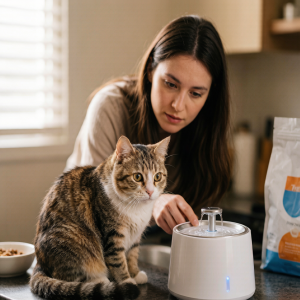
Chronic Kidney Disease in Cats: Symptoms and Treatment
Chronic kidney disease is common in cats and a leading cause of death, mainly because cats drink little, staying dehydrated and stressing the kidneys until function is slowly lost.
CoQ10 for Dogs and Cats: A Heart-Health Supplement Guide
CoQ10 is a key nutrient for heart-muscle cells and a staple for senior pets and breeds at risk of heart disease. Yet the market is messy—under-dosed, over-claimed products are common. This guide covers who benefits from CoQ10, what to look for on the label, why yeast-fermented source and combined antioxidants (including taurine for cats) matter, and the feeding rules and cautions every owner should know. CoQ10 supports care but never replaces prescribed heart medication.
Caring for Senior Cats and Dogs: A Stage-by-Stage Longevity Plan
Cats and dogs are considered senior at around age 7, when metabolism slows and organ function begins to decline. With staged, careful care, companion pets can live an average of 2–3 years longer. This guide breaks senior care into three phases—ages 7–9, 10–12, and 13 and up—covering diet adjustments, weight control, dental and joint support, stress avoidance, and a sensible checkup schedule. The goal is not expensive supplements but steady, calm, well-planned daily care.
Can Deworming Kill a Cat? Understanding the Rare but Real Risk
In one reported case, a cat given both a topical and an oral dewormer at the prescribed dose vomited severely through the night and died of dehydration despite IV fluids. It is rare, but it shows deworming is not trivial. Possible causes: an acute allergy to ingredients like albendazole or selamectin (throat swelling, breathing failure, anaphylactic shock); hidden liver or kidney disease that slows drug clearance, worsened by using both products together; stress from rough handling triggering latent illness; and poor management of complications like prolonged vomiting causing low potassium or aspiration pneumonia. To stay safe: dose strictly by weight and age, space topical and oral products 3-5 days apart, and rush to a vet if vomiting exceeds twice an hour.
Bad Breath in Dogs and Cats Is Not “Heat”—3 Types to Self-Check
When dogs or cats have bad breath, many owners assume “heat” and reach for cooling teas or herbs—but most pet halitosis is a disease signal, not a temperature issue. A rotten, fishy odor with red gums, tartar, hesitant eating, or drooling points to periodontal disease (over 70% of pets over 3 years); a strong urine or ammonia smell with extra drinking, extra urination, lethargy, and low appetite signals declining kidney function; and a sour, fermented odor with burping, acid reflux, worse on an empty stomach, and soft stool points to gut or liver trouble. Mild breath, teething at 3–6 months, or a meaty diet smell are normal. Severe or symptomatic breath warrants a vet visit—blood and organ checks—not “cooling” remedies.

Dog at 7 Is Like a Human at 50: Early Signs of Senior Dog Diseases
At 7, every dog, large or small, has entered its senior years and organs start declining faster. Studies show kidney filtration drops 12-18% and joint cartilage wears three times quicker after 7. Many early signs get mistaken for "normal aging" and missed. Watch for osteoarthritis (stiff rising, hesitant stairs, liking soft beds), dental disease (red bleeding gums, loose teeth, bad breath, favoring soft food), chronic kidney disease (drinking and urinating more, later ammonia breath and weight loss), and cognitive dysfunction (getting lost at home, night waking, forgetting house-training). These diseases can't be cured, but early action slows them and extends life.