Search Results
74 results for “cat joint pain”
Don’t Ignore Joint Pain in Your Cat or Dog
Joint pain is not 'just old age.' From limping and hesitant jumps to morning stiffness and a short temper when touched, pets signal discomfort in quiet ways. Catching it early protects mobility and comfort. Learn the warning signs, why joints degrade, and the practical steps—weight, exercise, and veterinary care—that keep your companion moving.

How Long Do Scottish Fold Cats Live?
Scottish Fold cats typically live 10–15 years—shorter than many breeds—because they are born with osteochondrodysplasia, an inherited cartilage and bone disorder that causes pain in the tail, ankles, and knees and can appear as early as 2–6 months. Their weaker constitution also makes them prone to skin disease, respiratory illness, and heart problems, so regular vet checks, weight control, and joint-support supplements help extend their lifespan.
What to Do When Your Dog’s Joint Is Swollen
A swollen joint in a dog can come from an injury, arthritis, or calcium deficiency, and the right response depends on the cause. Gently pressing the swollen area tells you whether it is painful; pain or refusal to be touched points to a joint problem. Injuries usually settle in a few days with topical treatment, while arthritis needs a veterinarian's diagnosis and long-term care with anti-inflammatory pain relief, weight control, and adjusted exercise. Severe arthritis may require surgery. Keeping the diet balanced helps prevent calcium-related swelling.
Everyday Habits That Seriously Harm Your Dog’s Joints
Joint disease in dogs is on the rise, and beyond obesity many overlooked daily habits do real damage. Slippery floors force dogs to grip hard and risk falls; bad exercise — long runs, sharp stops, jumping from heights — wears joints down; frequent stairs overload the knees, especially in long-backed breeds like Corgis; standing on hind legs for attention strains the spine; and overfeeding accelerates cartilage loss, particularly in large breeds with hip-dysplasia risk. Cold, damp floors stiffen joints and worsen pain. Watch for early signs — stiffness after rest, reluctance to jump, hind-leg dragging, pain when touched — and support joints with glucosamine and chondroitin.
What Causes Feline Rhinotracheitis (Cat Flu)?
Feline rhinotracheitis, commonly called cat flu, is one of the most frequent infectious diseases in cats. A cat can look healthy at the breeder yet sneeze, runny nose and weepy eyes days after coming home - because the culprit herpesvirus lies dormant in nerve cells and flares when environment or nutrition changes. Importantly, cat flu is not caused only by herpesvirus; calicivirus, chlamydia, mycoplasma and Bordetella are also agents. This article explains what cat flu is, its varied causes, and how to tell the agents apart by symptoms - always confirm with a vet.

Why Do Cats Vary So Much in Jumping Ability?
A cat's amazing leaps come from its unusual build: more bones and muscles than humans, with around 240 bones and over 500 muscles, plus long hind limbs and flexible joints that extend fully during a jump. Yet not every cat jumps well. Breed matters, with lazy types like Persians staying low while American Shorthairs are athletes, and so do body shape, weight, and condition. Obesity and weak constitution lower agility and raise diabetes and liver risks, and jumping fades with age as muscle and joints decline. Owners should not overestimate cats' abilities and should fit window guards to prevent falls from height.
Common Bone and Joint Diseases in Dogs
Poor care often deforms a dog's legs. Know the risks: hip and elbow dysplasia in retrievers and shepherds, osteochondrosis in large fast growers, femoral head issues in small breeds, and degenerative joint disease eased by weight control, gentle exercise, and glucosamine. Home setup matters too, slippery floors and stairs cause lasting damage.
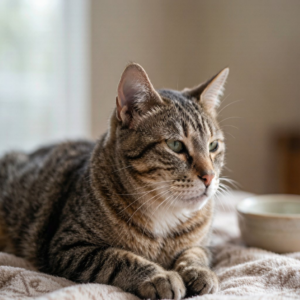
Why Does My Cat Always Lie Down? Understanding Feline Arthritis
If your cat spends most of its time lying down, walks with a limp, or refuses to be touched on the hind legs, it may be suffering from arthritis—a condition that affects up to 90% of cats as they age. Arthritis is the inflammation and degeneration of joint cartilage, most often secondary (degenerative) arthritis, which worsens as cats grow older. Cats are masters at hiding pain, so signs like reluctance to jump, reduced grooming, increased sleeping, and irritability can easily go unnoticed. Causes include aging, genetics, obesity, injury, and acromegaly. Treatment combines veterinarian-supervised medication (NSAIDs such as meloxicam), weight management with omega-3 and glucosamine supplements, and environmental adjustments like steps and soft bedding. Prevention starts with a healthy diet and keeping your cat lean.
Why Won’t My Cat Use the Litter Box?
A cat that suddenly stops using the litter box is sending a signal, not being spiteful. The cause is usually the box itself—dirty, cramped, noisy, the wrong litter, or too few boxes in a multi-cat home—or a health issue like constipation, diarrhea, or joint pain. Stress from changes at home is the third big driver. Fix the box and environment first; see a vet if pain or abnormal stool is involved.

What Happens When a Cat Lacks Vitamin C
Long-term lack of vitamin C gives a cat scurvy: low spirit, poor appetite, anemia, weight loss and easy bleeding or skin inflammation. As it worsens, gums swell and bleed, wounds heal poorly, and in severe cases cheeks and tongue ulcerate or die back, with joint pain and bleeding in the bladder, gut, kidney or nose. Treat with oral or injected vitamin C plus symptomatic care, and prevent it with a balanced, complete diet, since processing destroys much of the vitamin in food.