Search Results
694 results for “cat itching”
Why does my cat keep twitching like it’s hiccupping?
A cat that twitches like hiccupping may have eaten too fast or has food stuck in the esophagus - it usually passes as the food goes down. It can also come from excess stomach acid, bloating, food buildup, slow gut movement or reflux esophagitis. If twitching is followed by regurgitation or vomiting, see a vet for possible esophagitis, pyloric stenosis or GI disease. Frequent twitching without vomiting may point to allergic asthma, chronic bronchitis, pneumonia or heart issues. Hairballs trying to come up cause this too - give hairball paste or cat grass regularly.

Do You Have to Transition When Switching Cat Food?
To be safe, always transition cat food gradually. A cat's simple diet builds gut flora matched to the old recipe; a sudden new formula can overwhelm it, causing poor digestion and stomach upset. Timid cats may also stress — refusing food, hiding, even accidents. The '7-day method' works best: 80/20 for days 1–2, 60/40 for 3–4, 40/60 for 5–6, 80% new by day 7, fully switched on day 8. Extend to 10–14 days for kittens, seniors, or sensitive stomachs. Skip the transition only if your cat has an iron stomach or the old food has run out — then add probiotics. Stop and revert at any sign of soft stool or vomiting.
Soft Stools After Switching Cat Food? Here’s Why
Cats are built for high protein, so a new high-protein food alone shouldn't cause trouble—but sudden switches often do. Long-fed low-protein diets leave the gut making few protein enzymes, so a jump to rich food causes indigestion, vomiting, and loose stools; use the 7-day transition. If soft stools persist, it may be an allergy to a specific animal protein or a filler like pea; try a different protein or a single-source food. Also note many foods use beet as a mild anti-diarrhea agent, so dropping it can loosen stools—and weak-stomached cats do better on set mealtimes.
Pruritus (Itching) in Dogs and Cats: Symptoms, Causes, and Relief
Pruritus is a symptom rather than a disease, signaling an underlying problem such as parasites, eczema, diabetes, endocrine imbalance, or nutritional deficiency. Lasting relief comes from treating the root cause, not just suppressing the itch.

Why Does a Cat Twitch in Its Sleep?
A cat may occasionally twitch while sleeping-why is that? In fact, sleep twitching in cats is generally caused by physiological phenomena; for example, dreaming can also cause twitching. Of course, disease can also cause it. Today we explain what cat sleep twitching means.
What Are Ringworm in Cats and Dogs
Owners are surely familiar with ringworm, a skin problem whose treatment is slow and which can infect the owner too. Although it is the most common skin disease in cats and dogs, many fur babies are abandoned because of it!
Can a Spayed Cat Grow Ovaries Back?
Can a spayed cat grow ovaries back? In general, no. If a spayed cat appears to grow ovaries again, it may be that the previous spay surgery did not remove the ovaries completely, causing the cat to go into heat again.
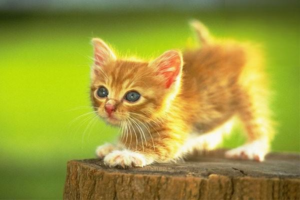
Do Cats Have a Food-Transition Period?
Each cat food has different nutrition; some cats get diarrhea, vomiting, or refuse food from sudden switches, even enteritis — because the gut can't adapt at once.
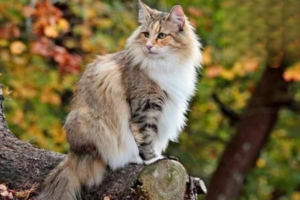
How Much Cat Food Should a Cat Eat Per Meal?
As an owner, you're never quite satisfied with your cat's appetite. Two meals a day seems too little—is it enough? Here's how much a cat should actually eat.

Cat Internal and External Deworming: Guide and Precautions
Deworming is essential for a cat's health, greatly reducing threats from fleas, ticks, mites, and more. Here's why and how to do it.