Search Results
334 results for “cat internal deworming”
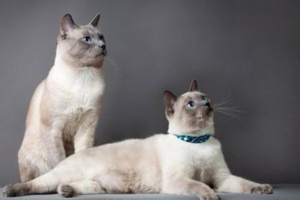
Why Does a Cat Get Diarrhea After a Bath?
Post-bath diarrhea usually comes from poor digestion, stress, or getting chilled. Mild cases respond to probiotics and a calm, warm space; if it turns watery and frequent, see a vet to rule out gastroenteritis, parasites, or panleukopenia—especially in unvaccinated cats, where dehydration and low blood sugar can be fatal.

Essential Supplies to Prepare Before Getting a Cat
Setting up before a cat arrives saves stress. Must-haves: a proper cat food (match its current brand, plus kitten formula and bottle if it's unweaned), a litter box with high-sided, low-entry design and tofu litter, ceramic or stainless bowls with a running-water fountain, a coat-appropriate brush, and a deworming plan (internal every 1–3 months, external monthly for outdoor cats).

How Long Does Cat External Deworming Take to Work?
External deworming kills fleas, lice, and mites within about three days, but it does not replace internal deworming — fleas carry tapeworms. Bathing will not remove fleas, so use vet-recommended products and follow the timing rules for oral doses.

How Dogs Catch Canine Distemper
Canine distemper takes hold when a dog with low immunity meets the distemper virus — after a 1–2 week incubation, the virus flares and causes diarrhea, coughing, sneezing, and vomiting. Common triggers are cow's-milk diarrhea, spoiled meat, incomplete or failed vaccination, chills, early walks, stress, and skipped deworming. The single best defense is a full vaccine course (the six-in-one core shot) starting around two months of age.

Caring for a Cat with a Sensitive Stomach
A sensitive-stomach cat isn't sick but stays thin and prone to vomiting and diarrhea because poor absorption starves it of nutrients. Steady, easy-to-digest food (no frequent switches), set meal sizes, fresh water, probiotics, and a regular deworming schedule are what keep it healthy.

Deworming Cats and Dogs: Methods and Schedule
Parasites are common yet potentially deadly, so regular deworming is non-negotiable — start around one month of age and repeat monthly, covering both internal and external parasites. Knowing the main worms (roundworm, tapeworm, hookworm, and heartworm) and how they spread helps you protect both pet and family.

Why a Kitten May Have High Internal Inflammation
Inflammation is the body's defensive response to irritation — infection, injury, parasites, or organ disease — and shows as fever, redness, pain, and poor appetite. Find the underlying cause with veterinary testing, treat it specifically, and rely on regular checkups to catch problems early.

What to Feed a Cat With Poor Appetite
When a cat loses appetite, first find the cause of the poor appetite so you can treat it accordingly and restore the cat's appetite. If ignored, the cat will gradually lose weight, affecting its health.

Why Does a Cat Twitch in Its Sleep?
A cat may occasionally twitch while sleeping-why is that? In fact, sleep twitching in cats is generally caused by physiological phenomena; for example, dreaming can also cause twitching. Of course, disease can also cause it. Today we explain what cat sleep twitching means.

What Cat Supplies Do You Need to Prepare?
Choose sensibly from the list below according to your budget. Add items gradually as you can afford them, or go for better products if money is no object.