Search Results
525 results for “cat indigestion”

What to Do When Your Dog Swallows Kibble Without Chewing
Bolting kibble isn't a lack of ability—dogs often gulp to save time, but it risks choking and poor digestion. Fix it with wetter or softer food, set meal times, a slow-feeder bowl, chew toys, scent games, and a calm-eating training routine with rewards.
What medicine should I give my dog after it vomits?
Occasional vomiting from hunger or overeating needs no drug; try small bland meals or probiotics after a short fast. Frequent vomiting needs a vet to rule out serious causes.
What can you feed a one-month-old kitten?
A one-month-old kitten needs easily digestible food such as goat milk formula, warm-water-softened kibble, and kitten pate. Supplement with boiled, minced chicken, but avoid canned food and seasoned human meals to protect its immature digestion.
My dog has soft stool but is energetic — what should I do?
Likely parasites, indigestion, or mild infection. Give probiotics and a light diet; if no improvement in a day, use anti-diarrheal or see a vet for testing.

Can a Dog’s Chill-Induced Vomiting Heal on Its Own?
When temperatures drop, some dogs still nap on cold floors or drink icy water, irritating their stomachs and triggering vomiting. Whether this resolves on its own depends on the cause. Mild vomiting from a chill often settles within a short time, but persistent or worsening signs—diarrhea, fever, appetite loss—point to conditions like gastritis, infection, parasites, or pancreatitis that need a vet. This guide explains when to wait and how to care for your dog at home, including warmth, a bland diet, probiotics, and close monitoring—while stressing that human medication should never be given to dogs.

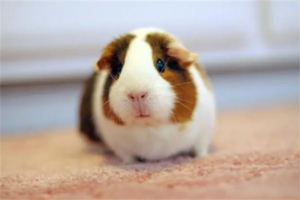
What to Do When Your Guinea Pig Has Digestive Issues
Guinea pigs have delicate digestive systems, so diet mistakes easily lead to indigestion marked by reduced appetite, weight loss, diarrhea or constipation, bloating, and sometimes vomiting. When symptoms appear, the first step is to adjust the diet: feed a balanced mix, avoid overfeeding hard-to-digest foods like excessive vegetables and fruit, and keep everything fresh. Daily exercise for one to two hours supports gut movement, while a stable, low-stress home environment protects digestion. Adding pet probiotics or prebiotics helps rebalance the gut flora and restore normal function. If symptoms persist, a veterinary visit is essential to rule out gastritis, parasites, or infection. With attentive diet and care, most guinea pigs recover comfortably.
What to Do If Your Guinea Pig Won’t Eat?
A guinea pig that loses its appetite can signal illness—such as a cold, intestinal parasites, or dental problems—or simpler issues like a monotonous diet, spoiled food, a move, stress, or poor digestion. Because these animals are sensitive, the key is to find the cause and act. Offer varied, nutritious food (vegetables, fruit, pellets), encourage gentle daily exercise like walks or play to aid digestion, and watch its body closely so any health problem gets veterinary care quickly. With the right diet, a calm environment, and attention to its mood, most guinea pigs regain their appetite.

What to Do If Your Puppy Overeats
A puppy's digestive system is still immature, so overeating overloads the gut and can cause indigestion, vomiting, or diarrhea. If your puppy has eaten too much, stop feeding at once and let the food settle before offering small amounts again. Gentle exercise, like a short walk, aids digestion, and a light belly massage helps move things along. Pet-specific probiotics can rebalance the gut. Watch for vomiting, diarrhea, or abdominal pain—if these appear, see a veterinarian. Going forward, feed little and often, measure portions, choose quality food, skip human scraps, and keep mealtimes calm to prevent overeating in the first place.
What to Do When Your Goldfish Is Swimming Upside Down
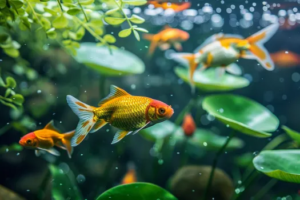
A goldfish floating or swimming upside down is alarming but common, usually caused by poor water quality, overfeeding, low oxygen, cold or fluctuating temperatures, or swim bladder disease. Act quickly to add oxygen and prevent long-term damage from suffocation. Season, temperature, water quality, dissolved oxygen, pH, feeding, and water-change frequency all affect a goldfish's health, so careful husbandry matters. You can relieve mild cases by improving water quality, boosting aeration, and raising the temperature—but if the problem is severe or persists, consult a veterinarian or an aquatic specialist for proper treatment.

How to Help a Rabbit Adjust to a New Home
Rabbits are sensitive, so moving to a new home can make them tense and unsettled. Before the move, prepare a warm, safe enclosure and place the rabbit's own toys, blanket, bedding, and water bowl there so it recognizes familiar scents. Once home, let the rabbit settle in with minimal noise and disturbance, then gradually introduce new people, sounds, and smells, starting with family members and widening the circle. Keep feeding and routines consistent, since stable daily life builds a sense of safety and trust. Patience, not speed, is what helps a rabbit feel at home.