Search Results
1706 results for “cat in pain”

Is Yellow Watery Stool in Cats a Sign of Feline Distemper?
Yellow watery stool can mean feline distemper, especially in unvaccinated cats, but also bacterial gastroenteritis, parasites, or indigestion. Learn to tell these conditions apart.

Can a Swollen Cat Paw Heal on Its Own?
A swollen cat paw rarely heals on its own. Common causes are injury or bacterial interdigital dermatitis. Clean and disinfect wounds, or apply antibacterial treatment for interdigital dermatitis. Learn both treatments.

How to Treat Ear Mites in Cats
Ear mites are as troublesome for cat owners as ringworm—both are highly contagious, prone to recurrence, and harmful to your cat's health. Here is what you need to know about feline ear mites.
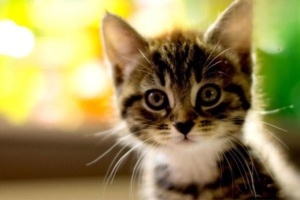
How Melanoma Affects Cats
Feline melanoma can be benign or malignant. It is often confused with lentigo simplex, but they differ. Benign has little effect but needs removal to prevent worsening; malignant has a larger impact, possibly causing local necrosis. Here are the details.

Why Cats Yowl at Night
Nighttime yowling in cats can signal stress, heat, pain, or illness. This guide explains the common causes and practical fixes—from a calm sleep spot to vet care when other symptoms appear.

How to Help a Thin Cat Gain Weight
A thin cat may be underweight due to genetics, poor diet, parasites, digestive disease, or dental issues. Rule out illness with a vet first; then raise the diet's nutritional density, feed small frequent meals, and add gentle play to boost appetite and build a healthy body.

Why Is My Cat Lethargic and Sleeping All Day?
Cats naturally sleep 12–18 hours a day, so lots of sleep isn't always illness. But if a cat can't be woken, seems dull when awake, or shows reduced urine, soft stools, fast breathing, appetite loss, or eye/nose discharge, it may be sick and should see a vet.
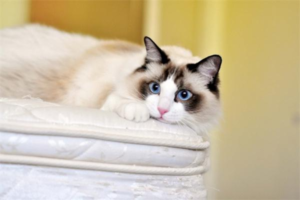
Why Does My Cat Keep Going to the Litter Box Without Urinating or Defecating?
A cat that frequently visits the litter box—especially a male—may have a urinary issue such as stones, urethritis, or kidney problems, showing as frequent, painful, or bloody urination. Constipation and anxiety can cause similar behavior. Rule out emergencies like blockage and ease stress with a calm, clean environment and more water.

What to Do When Your Cat’s Tail Is Damaged or Infected?
A damaged or rotting cat tail can stem from parasites, fungal or bacterial infection, hormonal imbalance, or weak immunity. Clip the fur, fit an Elizabethan collar, clean with saline and iodine, and see a vet for a skin scrape to identify the cause. Vitamin B and lecithin support healing.

Causes and Treatment of Cat Cystitis
Cat cystitis is a common and painful urinary condition caused by bacterial infection, diet, stress, and environmental factors. Affected cats show frequent, painful urination and cloudy or bloody urine. Treatment combines antibiotics, dietary adjustment, and good litter-box hygiene, with prevention focused on hydration and a clean environment.