Search Results
1706 results for “cat in pain”
What Can a Cat with Ear Mites Not Eat? Do Ear Mites Need a Special Diet?
Feline ear mites are a parasitic plus bacterial ear infection causing itch, pain, and discharge. Diet needs no special restriction, feed normally, but you may add a B-complex vitamin to support skin immunity. Treatment: deworm, clean the ear, and apply an antimicrobial ear drop. Environment hygiene and regular deworming matter most.
Why Isn’t a Neutered Male Cat Urinating?
No urination within 24 hours after neutering is normal, wound pain; beyond that, watch for stress-induced cystitis, urinary infection, stones, or even kidney failure, male cats are prone to urinary blockages. Diagnosis needs urine and blood tests plus imaging; treatment ranges from antibiotics and diuretics to stone removal or kidney support.
What Medicine Effectively Treats Stud Tail in Cats
Stud tail is treated with medicated shampoo plus topical antibacterial spray for mild cases; folliculitis or cellulitis need progesterone, chlorhexidine, and antibiotics. Neutering gives a complete cure and prevents recurrence.

What Causes Stud Tail in Cats?
Stud tail is an endocrine skin condition in cats—excess male hormones drive oily blackhead-like lesions on the tail base, chin, and back. Learn the causes, common breeds, and prevention (neutering, diet, exercise, cleaning).

Arthritis in Dogs and Cats: Symptoms, Medication & Care
Arthritis in pets brings red, swollen, painful joints and can end in deformity or paralysis. This guide covers causes, joint supplements (chondroitin, calcium, meloxicam), and prevention through a dry, warm environment, diet, and moderate exercise.

Gastroenteritis in Dogs and Cats: Types, Symptoms & Medication
Gastroenteritis in dogs and cats spans gastritis (acute/chronic) and enteritis (viral, bacterial, parasitic). This guide covers causes, symptoms, and the medication approach—anti-inflammatories, anti-vomiting, anti-diarrhea, dewormers, probiotics—plus prevention.
Common Causes of Shivering in Cats and Dogs and How to Manage Them
Shivering is body trembling from cold, emotion, disease, or weakness—common in pets, and seizures include it. Causes range from simple cold to poisoning or infection; this article reviews them.

What Medication for Bleeding, Suppurating Cat Tail Folliculitis
Tail folliculitis comes from overactive sebaceous glands clogging pores, mostly in males; neutering often stops it. When it bleeds or suppurates, bacterial infection (pyoderma) is likely—see a vet. This article covers the steps.
What Ointment Works for Cat Folliculitis
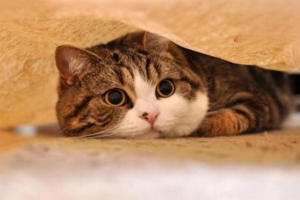
Cat folliculitis is skin inflammation from excess oil clogging follicles. Clean with an alkaline wash, then apply erythromycin ointment; a skin spray and zinc oxide ointment also help. This article details the care.

Medications and Care for Common Pet Injuries: Fractures, Sprains, Burns, and Wound Infections
Pets can suffer fractures, sprains, burns, bee stings, snake bites, and wound infections, especially outdoors. Prompt first aid prevents infection and permanent damage. This article covers causes, symptoms, and the medications for each.