Search Results
1706 results for “cat in pain”

Understanding Cat Chronic Hepatitis
Many owners panic when a cat is diagnosed with chronic hepatitis, fearing they will lose their pet. In fact it is not a death sentence and can be cured - the earlier treatment starts, the faster the recovery. Here is what chronic hepatitis really means.

How to Treat Cat Chronic Hepatitis
Treating cat chronic hepatitis depends on how severe and advanced it is. Often the first step is to handle any emergencies, then treat symptoms one by one until liver function fully recovers. Caught and treated early, chronic hepatitis can be completely cured.

Care Notes for Treating Cat Hepatitis
Cat hepatitis is not a death sentence - it can be treated, and earlier treatment means faster recovery. Do not give up on your cat. These care notes will help your cat recover sooner.
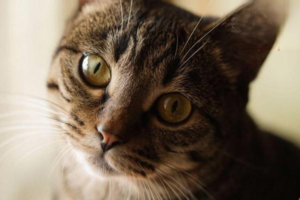
Is Gum Bleeding in a 4–5 Month Cat a Teething Sign?
A cat around 4–5 months is usually teething, when fragile gums may bleed a little from loose teeth — but bleeding can also come from sharp bones scraping the gums. Check the mouth for loose baby teeth and new adult teeth; if so, it is teething. Bleed points inside the socket are normal and stop in minutes, but heavy or non-stop bleeding needs a vet. Feed soft food and add calcium.

Can Cat Pancreatitis Be Life-Threatening?
Most cases of cat pancreatitis can be cured. Recovery needs both treatment and good later nursing care from the owner — staying with the cat during illness and caring for it well helps it heal faster. Here is how cat pancreatitis is treated.

Causes and Treatment of Cat Pharyngitis
Cat pharyngitis is divided into primary and secondary types. Primary pharyngitis mostly comes from injury to the pharyngeal mucosa, while secondary pharyngitis comes from infection spreading to the throat. Their treatments differ slightly. Here is a detailed look at the causes and treatment of cat pharyngitis.
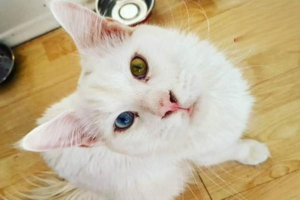
Pharyngitis in Cats and Dogs
Pharyngitis in cats and dogs is inflammation of the pharyngeal mucosa or deeper tissues. Its clinical signs are drooling, difficulty swallowing, and a swollen, sensitive throat. It is especially common in short-faced dog breeds because their long soft palates or everted saccules cause reflux of food or water. Here is a detailed look at its causes, signs, and treatment.

Cat Pharyngitis: Symptoms
Early signs of cat pharyngitis mainly appear as slow eating, which may progress to increasing difficulty swallowing or a complete loss of appetite. Affected cats also frequently gulp, drool, and have a swollen, painful throat, and they flinch when the throat is touched. In severe cases they stop eating and refuse even water.

How to Treat Cat Pharyngitis
Primary pharyngitis usually has a good outcome, but chronic cases with mucosal overgrowth are hard to cure. Causes vary, so treatment follows the cause. Here are the methods.

Can a Bee Sting Be Fatal to Cats and Dogs?
A bee sting can be fatal to cats and dogs, though the chance is low. Most just need the stinger out, some anti-inflammation, and care. Here is what owners should do.