Search Results
1706 results for “cat in pain”

Hydrophis cyanocinctus
The blue-banded sea snake (Hydrophis cyanocinctus) is a venomous marine snake found along the coasts of East and Southeast Asia, distinguished by its black banding and strong swimming ability. It feeds mainly on fish and gives birth to live young in the open sea.
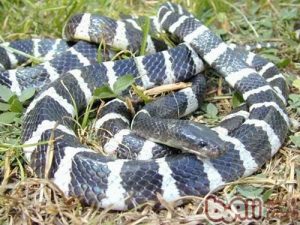
Beaked Sea Snake
The Beaked Sea Snake is one of the world's most venomous snakes, living in tropical coastal waters of Australia and parts of Asia. Reaching 1.5–2 m with a cylindrical body and dark gray back banded in black, its neurotoxic venom can kill within minutes—yet it is valued in traditional medicine.
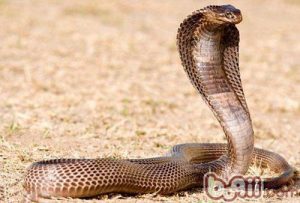
Egyptian Cobra
The Egyptian Cobra (Naja haje) is a large, highly venomous snake of northern Africa and the Arabian Peninsula, famed as the 'asp' of Cleopatra. Reaching 1.5–2.4 m with a broad neck hood, it is mostly nocturnal and delivers a potent neurotoxic venom—among the deadliest cobras.
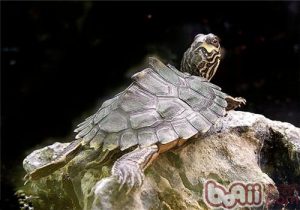
Graptemys pulchra (Alabama Map Turtle)
The Alabama map turtle resembles the red-eared slider in habits, with head striping and a protruding keel. Named for its map-like yellow markings, it feeds mainly on aquatic clams and snails, crushing shells with its hard jaws.
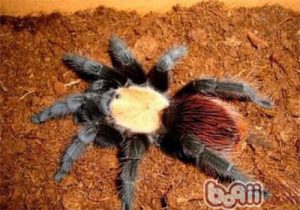
Mexican Golden Back Tarantula
The Mexican Golden Back Tarantula (Aphonopelma chalcodes) is a venomous desert-dwelling spider that can live up to 29 years. Despite its venom, it has a gentle temperament and is increasingly kept as a pet, earning it the nickname 'golden spider.'

Western Hermann’s Tortoise
The Western Hermann's Tortoise (Testudo hermanni) is a common, beginner-friendly tortoise with undemanding environmental needs and good disease resistance, though it carries a relatively high price. Native to Spain and southern France, it is a Mediterranean-species herbivore that also occasionally takes animal prey.

Exotic Shorthair
The Exotic Shorthair — everyone's "Garfield cat" — pairs the Persian's plush look with a short, easy-care coat. Sweet, calm, and affectionate, it's one of the most laid-back cat breeds to live with.

Canine and Feline Lymphosarcoma
Lymphosarcoma is a malignant cancer of the lymph nodes and lymphoid tissue that affects both dogs and cats, most often dogs over four years of age. It presents in multicentric, alimentary, and thymic forms, each with distinct clinical signs. While incurable, prompt chemotherapy can extend life from a matter of weeks to 6–24 months.

Canine and Feline Spinal Cord Tumors
Spinal cord tumors in dogs and cats produce signs based on where they compress the cord, ranging from limb weakness to paralysis and loss of bladder control. German Shepherds and young to middle-aged dogs are commonly affected, with tumors often located between the 10th thoracic and 3rd lumbar vertebrae.

Canine and Feline Renal Adenoma and Kidney Tumors
Kidney tumors in dogs and cats may be primary growths such as renal adenoma or nephroblastoma, or spread from cancers elsewhere — metastatic kidney tumors are actually more common. Signs are vague but include weight loss, abdominal swelling, and changes in urination.