Search Results
1706 results for “cat in pain”

Can Canine Parvovirus Spread to Humans?
Canine parvovirus is a common, highly contagious dog disease that affects canids such as dogs, foxes, and wolves, but it does not infect people directly. Humans can still carry the virus on hands and clothing after touching an infected dog or its waste, spreading it to other dogs, so thorough disinfection matters. Parvo mainly attacks the gut and immune system, causing vomiting, bloody diarrhea, dehydration, fever, and weight loss, and is especially dangerous to puppies. Prevention through vaccination, isolation of sick dogs, prompt veterinary care, and thorough environmental cleaning is the best defense.
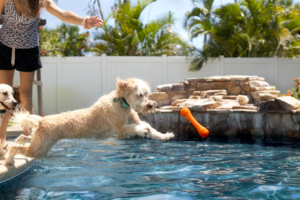
Can Swimming Help a Dog with a Luxating Patella?
A luxating patella—the kneecap slipping out of its groove—is common in small and toy breeds and can cause pain and limping. Swimming is often recommended by veterinarians as part of conservative care because water’s buoyancy supports the body and builds hind-leg muscle without loading the joint. However, swimming is therapy, not a cure: the condition is structural (loose ligaments, a shallow groove, or poor alignment) and cannot be reversed by exercise, medication, or massage. Whether swimming helps depends on the grade—mild cases benefit, while severe grades can be made worse. This article explains the condition, how water therapy fits in, which grades should swim and how, and the daily supports (fish oil, chondroitin, avoiding jumps) that protect the joint.

Can a Paralyzed Dog Walk Again?
Paralysis in dogs has many causes, but in some cases a dog can regain the ability to stand with proper care. Follow your veterinarian's advice and give your dog patient, consistent nursing. Treatment and recovery time vary with the cause and severity, so persistence matters and giving up should not be an option. Support rehabilitation through gentle walks, limb massage, and other exercises your vet recommends to help your dog recover as fully as possible.
Do West Highland White Terriers Bark a Lot? Yes — Here’s Why
West Highland White Terriers are vocal dogs. Bred as terriers in Scotland to hunt small rodents, they were selected to alert their handlers with barks, and that instinct remains strong. Westies bark out of alertness, pent-up energy, attention-seeking, seasonal restlessness, or as a sign of pain. The good news is that barking is manageable: daily exercise, a "quiet gets rewarded" system, desensitization to common noises, early socialization, and ruling out health issues all make a big difference. A sudden change in barking paired with other symptoms can signal discomfort and warrants a vet visit.

Why Do Dogs Develop Cervical Spondylosis?
A dog can develop cervical spondylosis for many reasons, including genetics, poor nutrition, holding one posture too long, overexercise, age, and environment. Some breeds with unusual body shapes are more prone to it. Long-term calcium deficiency weakens the bones, making the cervical spine easier to compress and injure. Older dogs are also at higher risk because of bone loss and weaker muscles. This article explains the common causes of cervical disease in dogs and what symptoms and home care look like once it is diagnosed.

How to Relieve Gas and Bloating in Chinchillas
When a chinchilla is bloated, you can gently massage its abdomen to encourage gut movement and help gas pass. If the bloating persists or worsens, consult a veterinarian who can examine the cause and advise proper treatment. For chinchillas that bloat often, adjust the diet and offer more hay, since its fiber supports digestion and prevents gas. Feeding smaller meals several times a day instead of one large portion also slows eating and reduces digestive upset. This article covers the common signs of bloating and the practical steps you can take at home to help your chinchilla feel better.

What Are the Symptoms of Hip Dysplasia in Dogs?
Hip dysplasia is a common inherited joint disease in dogs in which the hip socket and ball do not fit or wear normally, causing pain, limited movement, and falling comfort. Left unchecked it can worsen to disability. Typical signs include reluctance to run, climb stairs, or exercise; joint swelling after activity; pain shown by difficulty lying down or whimpering; muscle loss from moving less; a limp or bunny-hopping gait; and a grinding sound from the joint during motion. Mild cases are managed conservatively with weight control, limited strenuous exercise, joint supplements, and physical therapy such as massage, heat, or cold packs. Medications like anti-inflammatories, pain relievers, and cartilage repair drugs ease symptoms. Severe cases may need surgery, including hip replacement or femoral head removal, to restore comfort and function. Knowing the signs helps owners act early and care for their dog well.

Symptoms and Treatment of Intussusception in Dogs
Intussusception in dogs shows up in many ways, including loss of appetite, vomiting, abdominal pain, and diarrhea. Without timely treatment, the symptoms worsen as the condition progresses. Severe cases may bring intense abdominal pain, frequent vomiting, a swollen belly, abnormal posture, and intra-abdominal bacterial infection. Mild intussusception can often be corrected with air-enema reduction, while serious cases require surgery. This article details how to recognize the signs, the treatment options available, and the preventive steps that lower the risk of this serious digestive emergency.

What to Do When Your Dog Has Intestinal Scratches
Intestinal scratches in dogs are most often caused by swallowing sharp foreign objects such as glass shards, fish bones, or bone fragments. These items can lacerate the intestinal wall and lead to bleeding and infection. If you suspect your dog has an injured intestine, stay calm and take it to a veterinary clinic for examination and treatment as soon as possible. Mild scratches without a retained object may only require anti-inflammatory medication to prevent infection, while cases involving a foreign body need the object removed before further treatment. This article explains the common causes, warning signs, treatment options, and everyday prevention measures so you can act quickly and protect your dog's digestive health.

Why Is Your Dog’s Tail Tucked Between Its Legs?
A tail tucked down usually signals fear, nervousness, or discomfort. A slight tuck may mean mild unease or wariness of a stranger or possible danger; a tail pressed tightly under the body points to real fright or stress. It can also stem from illness or pain, including a tail injury. Watch the dog's posture and other signs—comfort an anxious dog, and if pain or other symptoms appear, see a veterinarian.