Search Results
123 results for “cat in heat after spay”

What to Know Before and After Cat Spay or Neuter
Cats can be spayed or neutered from about six months old, and a smooth procedure comes down to good preparation, the right surgical package, and careful recovery. Knowing what to do — and what to avoid — prevents most complications.

Cat Spay and Neuter Care: Details You Shouldn’t Skip
Neutering curbs mating aggression, noisy calling, marking, and heat-related illness, but the surgery is only half the job. Follow the antibiotic course, avoid picking the cat up, and support recovery with good nutrition.

What to Know Before Your Pet’s Surgery
First-time surgery owners can feel lost. Routine procedures (spay/neuter, dental) can be booked by phone; pathological ones (lump removal, fracture, pyometra) need an exam first. Fast 8 hours (6 for young animals) and withhold water 2–3 hours, and avoid scheduling during heat.

Why Is My Dog’s Urine Cloudy?
Cloudy dog urine usually signals an underlying problem, ranging from harmless pigment in food to serious issues like liver or kidney disease, urinary stones, or infection. The color of the urine (red, yellow, or white) helps narrow down the cause, and a veterinary exam is often needed to confirm.
My kitten rolls around, is sleepy, and keeps meowing
Rolling, sleepiness, and crying can be heat or emotional stress. Environmental changes usually settle in a few days; unspayed cats cycle at 6-8 months for 7-10 days, then spay after heat.

BerneseMountain
The Bernese Mountain Dog, originally from Switzerland, is one of four Swiss mountain breeds. With its striking black, white, and tan tricolor coat and long legs, it is a powerful yet harmonious breed once used for pulling carts, cheese making, and weaving shops in the Bern region.

Border Collie
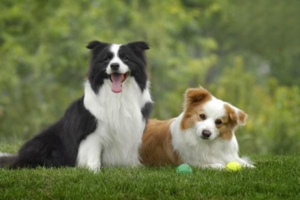
The Border Collie is widely regarded as the most intelligent of all dog breeds, originally developed along the England-Scotland border for herding sheep. Energetic, sensitive and devoted, it needs plenty of exercise and mental work.
What to Do When Your Dog’s Urine Has Blood in It
Blood in a dog's urine can come from heat cycles, food poisoning (onions, grapes, chocolate), or urinary tract problems like inflammation or stones. Find the cause first: observe, hydrate for poisoning, and see a vet for urinary or unexplained cases - never self-medicate.

Why Does My Dog Raise Its Butt?
A dog that raises its rear may simply be stretching, inviting play, showing affection or submission, or signaling heat in an unspayed female. If the posture is sudden, frequent, and accompanied by obvious pain, it can point to abdominal discomfort and warrants a vet visit.
What to Do If Your Dog Gets Accidentally Pregnant
A dog's accidental pregnancy is best allowed to go to term, since many vets decline abortion on humane grounds, every fetus being a life. Termination, whether by medication or surgery, carries real risks and harms the dog. If you do not want puppies and will not spay, keep the dog contained, especially during heat, to avoid the risk of a termination procedure. This article covers how termination is done and why prevention is the safer path.