Search Results
25 results for “cat hyperthyroidism”
Cat Has Chronic Diarrhea? It’s More Than a Sensitive Stomach
Long-term diarrhea in cats is rarely just a 'delicate stomach' you can fix by swapping food or adding probiotics. Diet and food allergy are common, but so are parasites (some needing specific drugs), inflammatory bowel disease, and metabolic diseases like pancreatitis, hyperthyroidism, or kidney disease. Stress is a third driver. Work through the causes step by step and let a vet run the right tests.

Why Your Cat Eats But Stays Thin
A cat that eats plenty yet stays thin can point to a weak digestive system, high activity, picky eating, illness, or genetics. If the cat is not naturally slender but eats well without gaining weight, a vet check is wise to rule out problems and adjust diet. Some cats are simply born lean and stay healthy that way, which is no cause for worry. Either way, forcing extra weight is unhealthy.

Thiamine (Vitamin B1) Deficiency in Dogs and Cats
Thiamine (vitamin B1) deficiency in dogs and cats impairs glucose metabolism and especially nerve function, producing anorexia, weakness, and progressive neurological signs such as ataxia, seizures, and paralysis. It is caused by raw-fish diets, gut or liver disease, and high demand, and responds to thiamine replacement.

Hypoparathyroidism in Dogs and Cats
Hypoparathyroidism is low parathyroid hormone from parathyroid injury that causes severe low blood calcium and neuromuscular hyperexcitability: muscle tremors, ataxia, and seizures. Correcting calcium with calcium and vitamin D is the mainstay of treatment.

Hypothyroidism in Dogs and Cats
Hypothyroidism is reduced thyroid hormone from thyroiditis or tumor that slows metabolism, causing lethargy, weight gain, hair loss, and cold intolerance, sometimes with nerve signs. Lifelong thyroid-hormone replacement is the treatment.

Understanding Aggressive Behavior in Cats
Given their size, cats can be formidable opponents. Unlike dogs, cats have three weapons: an open mouth with sharp teeth and four dexterous paws with needle-like claws, making them harder to control.

What Are Probiotics – Can Cats and Dogs Take Them?
Probiotics are a home staple for cats, easing diarrhea or soft stool. But picking a quality product puzzles many owners. This article explores the topic.

Can Cats and Dogs Take Propranolol?
Propranolol (Inderal) is a beta-blocker that lowers heart rate, cardiac output, and blood pressure. In pets it treats arrhythmias, supraventricular tachycardia, hypertension, and hypertrophic cardiomyopathy, and in cats hyperthyroidism. Vet-prescribed only; use caution with heart failure and drug interactions. Always consult your vet for dosing.
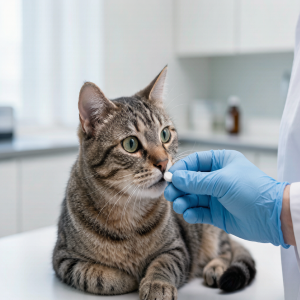
Treatment of Feline Hyperthyroidism
Treating feline hyperthyroidism may involve one or more of several approaches, starting with medication. This article covers methimazole, surgical thyroidectomy, radioactive iodine (I-131) therapy, and supportive follow-up care.

Symptoms and Diagnosis of Feline Hyperthyroidism
Hyperthyroidism is a very common disease in older cats and produces a range of symptoms. This article describes the clinical signs and the diagnostic tests, including T4, free T4 by equilibrium dialysis, chest X-rays, and technetium-99m scans, used to confirm it.
- « Previous
- 1
- 2
- 3
- Next »