Search Results
204 results for “cat hydration”

Cat Vomiting After Every Meal: What to Do
When a cat throws up everything it eats, the cause may be a gut blockage from a swallowed object or hairballs, organ disease in adults, or acute gastroenteritis from bad food, parasites, or infection. Get a vet check first, bloodwork, fecal, and imaging pinpoint the cause. If a clinic isn't possible immediately, fast 4-6 hours, then a vet-prescribed gut antibiotic and anti-emetic can ease pain and protect the gut lining; hairball paste and probiotics help if it's just hairballs or a partial blockage. Untreated, frequent vomiting leads to dehydration and worse.
What Injections Does a Cat with a Cold Need?
Never give a cat cold medicine or injections blindly. For anti-inflammatory or antibiotic shots, a vet must diagnose first—injecting without guidance can harm the cat. An ordinary cold shows sneezing, runny nose, and watery eyes, sometimes fever, with little change in spirit or appetite. A viral cold (upper-respiratory infection) brings cough, congestion, sneeze, fever, thick nasal discharge, heavy eye discharge, conjunctivitis, and mouth ulcers; it's more severe, can block tear ducts and cause light aversion and hiding, even vision loss and refusal to eat. When to inject: high fever needs an antipyretic shot (vet-guided); viral colds get antiviral fluid; severe secondary infection needs the right antibiotic; serious dehydration needs subcutaneous glucose. Leave all injections to a professional.
Kidney Disease: The Silent Threat to Cats and Dogs
Kidney disease is a silent killer of pets—early signs are subtle, and by the time you notice lethargy, weight loss, excessive thirst, frequent urination, reduced appetite, vomiting, or bad breath, treatment may be overdue. Studies suggest 1 in 3 cats and 1 in 10 dogs has kidney disease. Newer testing (SDMA) can flag problems when only 25% of function is lost, far earlier than traditional tests (75%). Management means vet-guided diet and medication, no table scraps or treats, encouraging water, and regular monitoring.
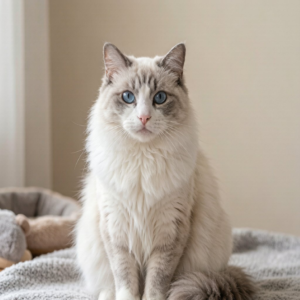
How to Reduce Heavy Shedding in a Ragdoll Cat
A Ragdoll's heavy shedding can stem from seasonal change, poor diet, weak care, stress or an underlying health issue. Brush regularly to stop mats, bathe on a sensible schedule with a gentle cat shampoo, and avoid salty or greasy food while adding omega-3 and vitamins for skin and coat. Keep the home calm and quiet, and if shedding stays severe, have a vet rule out skin disease, allergies, parasites or hormonal problems before treating.
Cat Won’t Eat or Drink in a New Home? What to Do
A cat that refuses food and water after a move is reacting to stress, not being difficult. Short refusals of a day or two are usually mild, but beyond 48 hours the risk of fatty liver rises, and beyond 72 hours you should call a vet. The fix is to lower stress—familiar scents, the same food, a calm presence—never force-feeding, which makes things worse.
My cat’s urine is very yellow and concentrated — what should I do?
Yellow, concentrated urine in cats is most often caused by not drinking enough water, but it can also signal urinary tract disease such as urethritis or cystitis, or dehydration from vomiting and diarrhea. If you also notice frequent urination, straining, blood in the urine, or gastrointestinal symptoms, take your cat to a veterinarian promptly.
What medication helps a vomiting cat?
Don't self-medicate - find the cause (hairball, parasites, gastritis, panleukopenia). Hairballs need malt paste; parasites need deworming; severe cases need a vet.

Anaerobic Infections in Dogs and Cats
Anaerobic infections are caused by bacteria that grow without oxygen, producing tissue death, gas, and foul-smelling discharge. They often mix with pus-forming bacteria and can lead to gas gangrene, malignant edema, and late anemia or dehydration. Opening the wound to air and veterinary antimicrobials are key.

Frostbite in Dogs and Cats
Frostbite is tissue injury from prolonged cold, most often on the tail, ears, paws, and penis. It causes redness, then bluish swelling, and in severe cases skin or even bone death. Rewarming and preventing infection are the main goals.

Burns in Dogs and Cats
Burns are tissue injuries caused by heat (fire, steam, hot liquids) or other agents. They are graded by depth: first-degree heals in about a week, second-degree in 20–30 days, and third-degree is severe and prone to infection. Quick first aid and veterinary care prevent shock and sepsis.