Search Results
87 results for “cat head shaking”
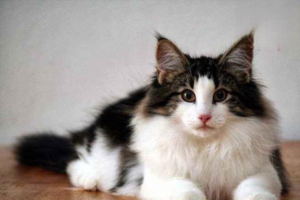
Why Does My Cat Keep Shaking Its Head?
Frequent head shaking signals a physical problem, most often an ear condition - mites, infection, or debris. Check the ears and treat early.

Does a Cat Shaking Its Head Mean Ear Mites?
Frequent head shaking is not always caused by ear mites - it can also signal ear infections, parasites, or skin disease. Ear mites cause dark, foul-smelling discharge and intense itching; check the ears and, if you see redness, excess wax, or odor, see a vet for a proper diagnosis.
Why does my cat keep licking its mouth and shaking its head?
Consider irritating substances, hairball vomiting, eating a bug, or oral disease. Watch bowel movements and offer probiotics; check the mouth for redness/ulcers and see a vet if found.
My cat is foaming at the mouth and shaking its head – what could be wrong?
Foaming at the mouth with head shaking is often poisoning or distemper - both emergencies. Here is what to do.

How to Prevent Middle- and Inner-Ear Infection in Cats
Cat middle- and inner-ear infections usually start with an untreated respiratory infection or trapped moisture, so prevention means prompt care of sniffles, dry ears, gentle cleaning, and a clean, low-density home. Quarantine any new cat before it meets the resident crew.
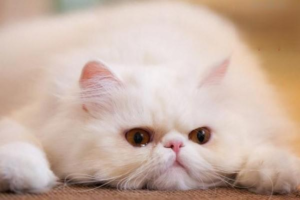
Why Are My Cat’s Gums Red at the Edge?
Red gums at the margin usually mean gingivitis, and left alone it can deepen into stomatitis—bad breath, drooling, mouth ulcers, and pain that stops a cat from eating. Catch it early with diet changes and oral care; severe cases may need a full extraction.

Why Does a Cat Shake Its Head Repeatedly?
An occasional head shake is normal, but frequent shaking usually means a pathological itch — most often a foreign object, ear mites, or otitis in the canal. The clues differ: ear mites leave dry, coffee-ground, foul-smelling black-brown debris, while inner-ear infection leaves wet, oily discharge; both need a vet's confirmation, then cleaners plus mite medication or antibiotics.

What to Do When a Cat Is Sleepy and Lethargic, and Signs of Illness
Lethargy after vaccination is usually a brief, harmless reaction, but disease can also cause it. If the cat still eats and acts normal when awake, it is likely fine; if appetite drops with low energy, see a vet. Other warning signs include vomiting, diarrhea, eye/nose discharge, drinking trouble, ear scratching, and skin itching.

Why Is Your Cat’s Ear Bleeding?
A bleeding ear usually means trauma, a middle-ear infection, or ear mites — and if you see no wound, an endoscopic exam is wise to rule out deeper disease. Treat minor scrapes at home, but let a vet handle severe infection or persistent bleeding.

Tips for Bathing Your Cat
Bathing a cat is manageable with the right approach: choose mild, dry weather, wet the coat gradually rather than dunking (head last), keep water at 38–40 °C with a thermostatic valve, and use only a pet-specific, low-odor shampoo. For skin issues like chin acne or a greasy tail, a medicated formula may be appropriate.