Search Results
33 results for “cat grooming tools”

Should You Shave Your Cat in Hot Weather?
Shaving is risky for timid or sensitive cats and rarely needed. If you do it, use clippers with care, mind the cat's temper, and never shave the belly too short. In general, skip the shave.
Cat Trichomoniasis: Soft Stools, Diarrhea, and What to Do
Cat trichomoniasis is caused mainly by Tritrichomonas foetus, a protozoan that lives in the large intestine and triggers colitis — think frequent soft, bloody stools. It spreads easily via the fecal-oral route, so isolate sick cats and disinfect. The main treatment is ronidazole plus gut support; most cats recover within 2 years.

How to Care for a Cat with a Sensitive Stomach
To reduce digestive problems, owners should brush the cat often, keep its environment comfortable, feed sensibly, encourage exercise, deworm and vaccinate on schedule, and monitor its stools. A cat's gut is fragile, so a balanced diet, clean bowls, slow food changes, and avoiding harmful human foods (chocolate, onion, garlic) all matter.
Why Does Cat Fur Become Matted and Hard?
Matted, hardened fur is a common and frustrating problem for many cat owners, and it can seriously affect a cat's comfort and appearance. The issue usually stems from poor grooming habits, an unbalanced diet that lacks essential vitamins and protein, or underlying health problems such as skin infections, inflammation, or fungal disease. When fur is not brushed regularly, loose hairs tangle together and trap dirt, forming tight, stiff mats. In most cases the problem can be prevented and improved through daily brushing, a balanced diet, and routine professional grooming. However, if matting appears together with skin redness, hair loss, or other abnormal signs, a timely visit to the veterinarian is the safest approach.
Must-Have Cat Gear for Every Home
A home with a cat shows it - fur on the floor and bed. A few simple tools make life easier. A scratching post (or a DIY rope-wrapped one) saves your sofa and satisfies the clawing urge. A cat-wash bag turns the dreaded bath into a quick, calm routine - towel-dry to 70-80% rather than forcing the dryer. For shedding, keep a deshedding brush, an electrostatic fur remover for sofa and bed, a grooming glove that massages while it lifts loose hair, and a silicone brush for anywhere. Tools only reduce loose fur; regular grooming does the rest.

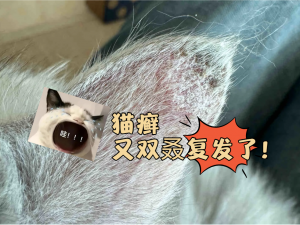
Home Care for Cat Ringworm: Practical, Low-Cost Treatment
Ringworm, or dermatophytosis, is a fungal skin infection in cats caused mainly by Microsporum canis. Mild cases respond to topical antifungals, B-vitamin support, sunlight, and environmental disinfection, while widespread disease needs medicated baths and veterinary-directed oral antifungals.
Using a Wood’s Lamp to Check for Cat Ringworm
Under a Wood's lamp in a dark room, ringworm caused by Microsporum canis makes infected hairs glow a translucent apple-green, especially at the roots. Other substances can fluoresce too, causing false positives, and a negative test does not rule out ringworm.

Lice Infestation in Dogs and Cats (Pediculosis): Symptoms, Treatment, and Prevention
Lice are external parasites that cling to the skin and coat of dogs and cats, causing itching, hair loss, and skin irritation, with heavy infestations leading to anemia and poor condition. They are species-specific and controlled with parasiticides plus environmental cleaning.

Sarcoptic Mange in Dogs and Cats (Scabies): Symptoms, Treatment, and Prevention
Sarcoptic mange is a highly contagious skin disease caused by the burrowing mite Sarcoptes scabiei, leading to intense itching, redness, hair loss, and crusting. It spreads by direct contact and is treated with parasiticides plus control of secondary infection.

Sporotrichosis (Cutaneous Fungal Infection) in Dogs and Cats: Symptoms, Treatment, and Prevention
Sporotrichosis is a chronic infection of the skin, subcutaneous tissue, and adjacent lymphatic system caused by Sporothrix schenckii. It produces hair-loss patches with exudate, scales, and crusts, and is marked by itching and a tendency to become chronic.