Search Results
65 results for “cat genetics”
CoQ10 for Cats: What to Know Before You Buy
Cats get heart disease too—especially Ragdolls, Maine Coons, and British Shorthairs, where genetics raise the risk—and a vet may suggest CoQ10 as supportive care. Because quality varies, owners who judge only by label strength often see no benefit. This guide explains why cats may need CoQ10, what a good feline formula contains (verified content, yeast-fermented source, taurine, and sensible antioxidants), and how to read labels without falling for marketing. CoQ10 supports heart care; it never replaces prescribed medication.
When Is the Best Time for a Cat to Develop Fuller Cheeks
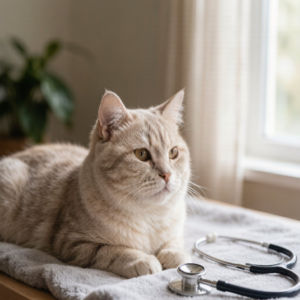
Whether a cat develops those rounded, full cheeks (often called "face fluff") depends mostly on sex, genetics, and breed. Female cats rarely fill out this way; it is usually intact male cats that do. Breeds such as the British Shorthair, American Shorthair, Exotic Shorthair, Persian, Chinchilla, and orange tabby are naturally prone to it, while hairless cats, Devon Rex, Russian Blue, Siamese, Oriental, and calico domestic cats tend to stay slender-faced. Most male cats begin filling out between six and eight months of age, and a son of a full-cheeked father is more likely to follow suit. Good nutrition during this window makes the difference.
Can a Cat’s Personality Change?
A cat's personality can shift under certain conditions, influenced by negative experiences, health, age, and genetics. For example, a once sunny cat may become timid or depressed after abuse or the loss of a companion. To keep a cat's character stable and healthy, provide a steady environment, proper socialization, and plenty of affection.
Why Are Cats Allergic to Grains?
Many cats are allergic to certain grains, and the reasons tie to genes and digestion. Grains are common fillers and cheap protein sources in low-cost cat food, packed with carbohydrates, but cats are carnivores whose digestive systems are poor at handling large amounts of carbs. Too many grains burden the gut and can trigger allergic reactions, and genetics also matter: each cat differs, with some rarely reacting and others reacting easily. Symptoms include vomiting, diarrhea, itch, and skin inflammation, so see a vet if you suspect a grain allergy. The fix is to remove grains from the diet by choosing high-quality meat-based food, such as chicken or beef recipes, and avoiding wheat or corn, while skipping poor-quality meats with many additives. Add gut-friendly probiotics and fiber, and if the trigger is unclear or your cat is prone to reactions, use a hypoallergenic diet built on easily digested proteins with no grains or additives. Food allergies cannot be cured, so careful lifelong diet management is the key to keeping reactions away.
What Causes Cat Dacryocystitis (and How It’s Treated)
Cat dacryocystitis (inflammation of the tear ducts/sac) can stem from genetics, facial structure, environment, or eye disease. Flat-faced breeds like Persians and Exotic Shorthairs are prone to blocked ducts. Keep the eyes clean and the environment dust-free to prevent it. Treatment targets the cause: gentle cleaning and vet-guided drops (antibiotics, anti-inflammatories, lubricants), surgery for severe cases to clear the sac, and a clean, humidified home to ease symptoms.
Why Are Overweight Cats Prone to Pancreatitis?
Chubby cats may look adorable, but excess weight quietly raises the risk of pancreatitis, a painful and serious inflammation of the pancreas. The pancreas secretes enzymes that digest fat, protein, and carbohydrates, but it is a sensitive organ that becomes inflamed when overworked. Overweight cats usually take in too much energy and fat, forcing the pancreas to produce extra digestive juice and overloading it. Obesity also disrupts cholesterol and fat metabolism, adding further pressure. Many heavy cats also eat large amounts of high-fat, high-calorie food, which expands the gut and stresses the pancreas even more. Age, genetics, and certain diseases add to the risk, so while obesity is not the only cause, it is a major one. Keeping your cat at a healthy weight through balanced, low-fat food and regular play is the best defense.
Which Cats Are Prone to Pancreatitis?
Any cat can develop pancreatitis, but some are clearly more vulnerable. Genetics play a role, with breeds like Persians, Siamese, and Maine Coons at higher risk. Obesity is another major factor, since overweight cats strain their pancreas far more than lean ones. Diet also matters: fatty foods, too many artificial additives, and table scraps all burden the pancreas and invite inflammation. Certain medications such as long-term aspirin, morphine, or tetracycline, and viruses like feline infectious peritonitis, can also trigger the disease. Prevention centers on strict weight control, high-quality food, and never dosing a cat without veterinary guidance. Watch for appetite loss, vomiting, or diarrhea and seek care early; diagnosis uses blood pancreatic lipase tests, ultrasound, or cytology, and treatment combines medication, diet management, and sometimes hospitalization.
Why Do Cats Get Folliculitis?
Feline folliculitis is a common skin condition that causes discomfort and distress for cats. It can be triggered by a mix of external factors, daily habits, and even genetics. Environmental issues such as bacteria, fungi, and parasites thrive in warm, humid conditions and raise the risk of infection. Over-grooming, scratching, and poor coat care can also damage the skin and lead to flare-ups, while long-haired breeds like Persians and Siamese are genetically more prone to it. The good news is that folliculitis is manageable. Treatment involves clipping the affected area, cleaning with saline, disinfecting with iodine, and applying an antibacterial ointment daily. Prevention relies on a balanced diet, regular grooming, a clean and dry living space, gentle bath products, and routine veterinary checkups. With the right care, owners can greatly reduce the likelihood of recurrence.
What to Do If Your Cat Is Extremely Shy or Fearful of People?
A shy or 'socially fearful' cat isn't being difficult—it is usually reacting to past trauma, early separation from its mother, or prior abuse, though some cats are simply born timid. These cats avoid all social contact, hide or flee when approached, and in severe cases may even stop eating or drinking. The fix is patience, never force. Earn back trust with calm, gentle handling and a quiet environment, gradually increasing gentle exposure to people and other cats. If the fear stems from abuse or genetics, lean on a professional trainer to build a safe space and use positive reinforcement. With time and understanding, most fearful cats can learn to relax and enjoy company.
The Secret Behind Cats With Two Different Eye Colors
Odd-eyed cats - sometimes called "strange eyes" - have two differently colored irises and usually turn up in white cats; among purebreds, matching eye color is the norm, so odd eyes are typically from mixing. The condition, heterochromia iridis, is not a disease. Japan once called gold-and-blue eyed cats a symbol of luck, and Thailand's native Siamese region named the look "diamond eyes." The cause is the dominant white (W) gene, which suppresses pigment cells; without them the iris looks blue, and the same missing cells also fail to form the ear's sound sensors, which is why many white blue-eyed cats have hearing loss. About 60-80 percent of white blue-eyed cats have some deafness, and a blue-eyed side in an odd-eyed cat carries a 30-40 percent chance of deafness on that ear.