Search Results
484 results for “cat gastroenteritis”
What happens if a dog eats chicken intestines?
A small amount of cooked chicken intestine is harmless, but its high fat content can cause obesity, so don't overfeed. Never feed raw intestines — they carry bacteria and parasites that can cause gastroenteritis, diarrhea, and vomiting. Wash with salt, boil thoroughly, and if raw was eaten, give probiotics and deworm regularly.

How Deadly Is Canine Parvovirus? It Comes Down to Three Factors
Canine parvovirus is a highly contagious disease that can kill, but the outcome is far from fixed. Survival depends largely on the virus strain, the dog's age and immune status, and how quickly treatment begins. While reported mortality ranges from around 10% to 80%, prompt veterinary care can push survival above 70%. Understanding the risk factors and acting fast makes the single biggest difference for a sick dog.

Can You Give a Dog Smectite Powder for Diarrhea?
Smectite is an absorbent anti-diarrheal that soaks up excess water and toxins in the gut, and a vet-formulated version can help a dog with ongoing diarrhea from dietary upset by firming the stool. Use the correct animal product and dose, since wrong amounts risk side effects, and check with a vet first. Other options include bismuth subcarbonate, kaolin, or probiotics. Diarrhea also comes from diet changes, bacterial or viral infection, or parasites, each needing its own approach, so a fecal test and veterinary guidance are best before medicating.
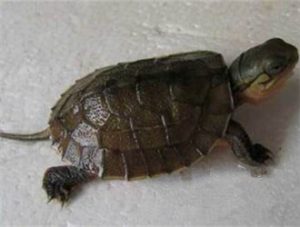
Iverson’s Turtle
Iverson's Turtle (Mauremys iversoni), also called the Fujian stone turtle, is a China-endemic turtle found only in Fujian and Guizhou. Very rare, it is listed under China's protected-wildlife category, and its taxonomic status is debated — some research suggests it may be a hybrid.

Yellow-bellied Slider
The Yellow-bellied Slider (Trachemys scripta scripta) is a common, hardy and inexpensive North American slider with a yellow belly and yellow 'ear' patches. Easy to keep but a messy, fast-eating carnivore-leaning omnivore.

Canine and Feline Gastrointestinal Adenoma (Polyps)
A gastrointestinal adenoma, also called a polyp, is a benign gut growth seen more often in dogs than cats and can appear anywhere in the digestive tract. Surgical removal usually cures it, though rectal polyps tend to return.

Gray Collie Syndrome: Symptoms, Treatment, and Prevention
Gray Collie Syndrome is a fatal inherited disorder of Collie breeds in which cyclical drops in infection-fighting neutrophils leave puppies vulnerable to repeated bacterial illness, with fever, joint pain, and severe gum inflammation. Affected dogs must never be bred.

Canine Ehrlichiosis: Symptoms, Treatment, and Prevention
A septicemic infectious disease of canids caused by Ehrlichia canis (parasitizing white and lymphoid cells), a neorickettsia (lymphoid and reticuloendothelial cells), and E. equi (white cells).

Canine Coronavirus (CCoV): Symptoms, Treatment, and Prevention
Canine coronavirus is a highly contagious viral infection that causes acute gastroenteritis in dogs. It spreads through contact with contaminated saliva, feces, and food, and typically produces vomiting, diarrhea, and appetite loss. Most dogs recover within 7 to 10 days, but the infection is known to recur.
Why is my dog refusing food and water, foaming at the mouth, and losing weight after two days—what medicine should I give?
Refusing food and water while foaming at the mouth can result from poisoning, gastroenteritis, pancreatitis, infectious disease, or internal parasite infection. After two days of symptoms your dog is at risk of dehydration. Take it to a veterinary clinic for diagnosis and the proper treatment plan; avoid medicating blindly, which could cause further harm.