Search Results
484 results for “cat gastroenteritis”
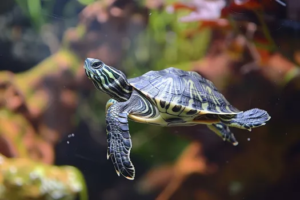
Key Things to Manage When Keeping Turtles in Summer
Summer is the fastest growth season for turtles, and their appetite increases greatly. But to protect their digestive health, owners must feed sensibly to avoid obesity or gastroenteritis and fatty liver disease from overeating. Our pet care specialists walk you through the key points of summer turtle keeping.
How do I relieve my dog’s vomiting?
Many causes (acute gastroenteritis, blockage, spasm, virus)—get a vet check for targeted meds. If can't, fast 6–8h with small warm water to avoid dehydration. If no more vomiting, give pet anti-inflammatory + antiemetic, then after 1–2h probiotics. Then small frequent bland liquid food; observe 1–2 days; if continues, see a vet.
My dog had a little blood in its stool last time—what could it be?
Per the image, dark red loose stool; if unvaccinated/undewormed, likely parvo or parasites. Possibly ate hard/indigestible food, intestinal scrape, or hemorrhagic gastroenteritis. See a vet for targeted treatment. Parvo signs: diarrhea, vomiting, foul coffee/tomato-colored stool, low appetite, lethargy, fever—low cure rate without targeted meds. If can't go to hospital, give anti-inflammatory, gut mucosa repair, probiotics; mild bleeding may recover.
My dog keeps vomiting and has no energy—what should I do?
Persistent vomiting and lethargy may be acute gastroenteritis, pancreatitis, intestinal obstruction, poisoning, hepatitis, or viral disease—see a vet promptly. Before visiting, withhold food to avoid worsening; to prevent dehydration/acid-base imbalance, give sugar-salt water after fasting. If no toxin and no further vomiting, try small-dose pet anti-inflammatory and antiemetic, observe, then feed liquid food.
My Bichon started having bloody, jelly-like stool but still has great appetite and energy—what should I do?
Bloody, jelly-like stool may be acute gastroenteritis, parasites, or viral infection. Normal spirits suggest early stage—see a vet promptly. Gastroenteritis needs anti-inflammatory and probiotics; parasites (often coccidia) need sulfa drugs; viruses (parvo/corona) need antivirals like interferon and serum.
My dog is throwing up white foam and has vomited over and over, and now there’s a bit of pink in it. But it’s the middle of the night and no clinic is open – what do I do?!
Vomiting pink foam suggests acute gastroenteritis caused by improper diet, indigestion, or injury to the digestive tract lining. The dog first vomits white foam, and repeated vomiting damages the stomach lining, leading to pink, blood-tinged foam. You should withhold food and water immediately and avoid giving any medication yourself, then find a nearby emergency clinic for examination and treatment.
A 2-month-old Labrador with diarrhea, vomiting white foam, lethargy, no barking, no tail wagging
Diarrhea, white-foam vomit and lethargy in a 2-month-old have many causes needing clinical workup; usually acute gastroenteritis from bad diet, or viral/parasitic/toxic. If it ate spoiled or greasy food, suspect acute gastroenteritis—fast, give probiotics/anti-inflammatories, and see a vet if weak/dehydrated. If unvaccinated/un-dewormed and young, consider parvovirus, coronavirus or distemper—highly fatal—requiring hospital care.
First vomited chicken breast, then yellow fluid with foam twice—what to do? Still active today, slept after vomiting
Vomiting after chicken breast and egg yolk is likely overeating causing acute gastroenteritis; kittens' immature digestion struggles with these. If alert, fast and observe with bismuth carbonate and cimetidine (protect mucosa, reduce acid); then probiotics. If no relief, see a vet.
My kitten has abnormal stool—sticky paste with the rear protruding
The photo shows unformed stool with jelly-like intestinal mucosa, usually diarrhea from diet, indigestion, gastroenteritis, parasites or panleukopenia. If infrequent and alert, give probiotics and small frequent bland meals; if persistent, use intestinal anti-inflammatory/anti-diarrhea meds (bismuth carbonate, cefadroxil) 3-5 days, then deworm. If frequent with lethargy/vomiting, see a vet.
My dog went out to play, came home and stopped eating, vomited the next day, only drinks water, sleeps more, and is less lively with low energy lately
Vomiting yellow fluid with no eating or drinking is usually a serious gastrointestinal disease and needs a confirmed cause before medication. For indigestion, give probiotics; for gastroenteritis with frequent vomiting, withhold food and give pet anti-inflammatory and anti-emetic plus probiotics; if no improvement, get IV fluids. Distemper or parvovirus also cause yellow vomiting and need early hospital care.