Search Results
484 results for “cat gastroenteritis”

Why Your Cat Throws Up Undigested Kibble (and How to Stop It)
Cats that vomit undigested kibble usually have a gut issue. Eating too fast or too much, hairballs from grooming, or gastroenteritis from infection, parasites, or foreign objects are the usual triggers. For mild cases, a short fast plus a pet probiotic helps; hairballs respond to hairball paste or cat grass. If gastroenteritis is the cause, only medicate after vomiting stops, using a vet-prescribed antibiotic and anti-emetic, and keep regular deworming and small meals to protect the gut.

Cat Vomiting Yellow Fluid and Undigested Kibble: Causes and Care
When a cat throws up yellow fluid and undigested kibble, weak intestines, especially in kittens, are often to blame. If lethargy and appetite loss accompany it, rule out feline panleukopenia with a vet. Otherwise the usual causes are simple indigestion from irregular feeding, intestinal parasites, or gastroenteritis from spoiled food. Manage mild cases with a pet probiotic and a short fast, treat parasites with a dewormer, and seek a clinic if it persists beyond 24 hours.
What Medicine for Dog Gastroenteritis
Dog gastroenteritis is acute or chronic. Acute cases bring vomiting, diarrhea, and stools with blood and mucus; if vomiting is persistent, stop feeding and give an anti-vomiting injection, with smectite for diarrhea and neomycin for inflammation. Chronic cases relapse repeatedly and need long-term diet management with probiotics, plus anti-inflammatory medicine when severe.
Why Your Cat May Sleep More or Pass Gas After Deworming
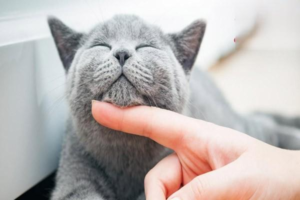
House cats are usually dewormed every 2-3 months, and most show no reaction, but a cat with a heavy parasite load or a weak constitution can have mild side effects. Frequent passing of gas comes from the drug speeding gut movement and fermenting food; if the cat acts normal it eases within an hour, and a pet probiotic can help. Mild vomiting or diarrhea, drowsiness, or lowered appetite are also usually normal and pass in 1-2 days, though severe cases need a vet to rule out toxicity or fatty liver.
My cat is vomiting yellow fluid with blood
A cat vomiting yellow fluid with blood can stem from indigestion, feline distemper virus, internal parasites, or gastroenteritis. Try brief fasting, give pet anti-inflammatory and anti-vomiting meds plus probiotics, and watch for improvement. If vomiting persists, see a vet.

Should Cats Eat One Food or Rotate?
Feeding one food keeps a cat's gut stable and makes health changes easy to spot, but it risks nutrient gaps, pickiness that fights later prescription diets, and silent formula changes. Rotating broadens nutrition and spreads product-risk, yet sudden or too-frequent switches upset the stomach. The balanced answer is to rotate on a schedule, with a slow 7–10 day transition and a few months on each food.
How do dogs catch parvovirus (parvo)?
Canine parvovirus is a severe, contagious disease caused by the parvovirus. Dogs catch it two ways: directly, by contacting the feces and secretions of an infected animal, or indirectly, through contaminated objects or even transmission via people. Because early signs mimic gastroenteritis, PCR testing is usually needed to confirm.
What causes a cat to pass blood in its stool?
Blood in a cat's stool can come from acute gastroenteritis, panleukopenia (feline distemper), or a parasite infection, and only screening confirms which. Get a vet work-up - blood count, distemper antigen, fecal exam - then treat the cause: gastroenteritis or distemper usually needs fluid therapy, while parasites are handled by deworming.

Food Poisoning in Dogs and Cats
Food poisoning occurs when pets eat spoiled food whose bacteria have produced toxins. Signs are depression, vomiting, diarrhoea and a swollen abdomen, and severe cases can die within half a day without prompt care.

Arsenic Poisoning in Dogs and Cats
Arsenic compounds are extremely toxic and cause severe haemorrhagic gastroenteritis with later nervous-system and marrow signs. Removing the toxin and chelation therapy are the basis of treatment.