Search Results
5 results for “cat food labels”
How to Choose a Staple Canned Food for Your Cat
Cats often prefer juicy canned food to dry kibble, and with so many products on the shelf, choice should go beyond taste to what actually benefits the body. A good staple can should lead with meat, list no grains or filler gums, and carry useful extras such as green-lipped mussel for joints or controlled additives. High meat content (around 90 percent or more) with balanced protein supports muscle, while a little added fiber can help cats with soft stools. Reading the label for meat percentage, gum and grain content, and supplement profile is the reliable way to pick a healthy everyday can.
How to Choose a Cat Food Flavor Your Cat Will Love
The cat-food aisle is overwhelming, but the best choice meets both your cat's health needs and their natural preferences. Cats are born meat-eaters and famously love fish, because fish supplies the amino acids they cannot make themselves—deficiency causes rapid weight loss and failing vision. This article explains why fish-based and poultry recipes appeal to cats, what nutrients (vitamin A, taurine, quality protein) support skin, coat, and eyes, and how to read labels to pick a complete, balanced food your cat will actually enjoy.
What makes a good-quality dog food?
A good dog food starts with its ingredient list: fresh meat is better than meat meal, and vague labels that just say 'meat' should be avoided. Puppy formulas should contain at least 22% protein and adult formulas at least 18%. Very cheap food is usually low grade, and quality food has only a faint meat scent rather than an overpowering one.
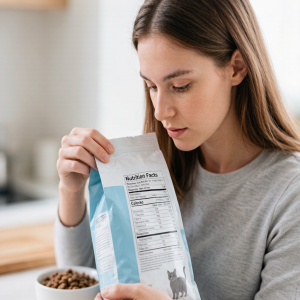
How to Calculate Carbohydrate Content in Cat Food
The nutrition label on cat food does not show the proportion of carbohydrates. So how is it calculated? Today we share how to work out the carbohydrates in cat food.
Pet CoQ10 Supplements Reviewed: Picking One That Genuinely Supports Heart Health
CoQ10 is a popular supplement for pets with heart conditions, but it supports heart function rather than curing disease. It helps the heart muscle generate energy, mildly slows heart failure, and supports immunity and vitality. Yet the market is full of weak or mislabeled products—industry figures suggest most pet CoQ10 labels either understate or omit the actual content, and some use industrial-grade raw materials. When choosing a supplement, look for verified CoQ10 content (ideally backed by independent testing), natural fermentation sources, and a clean antioxidant formula, matched to your pet's age, breed risk, and symptoms. Used alongside veterinary treatment, a quality CoQ10 can be a valuable part of heart care.