Search Results
228 results for “cat food cost”

How to Help a Fat Cat Lose Weight
Obesity invites diabetes, hypertension, heart disease, and fatty liver. The key is diet: cats run on protein and fat, not carbs, and high carbs block protein absorption and shrink muscle (sarcopenia), which slows metabolism and worsens weight gain. Skip 'light' kibble that cuts weight by burning muscle; feed high-protein (45%+), low-carb wet food instead. Split meals into set mealtimes, calculate intake to 60–80% of resting needs for very fat cats, and keep them active.

What to Consider Before Bringing Home a Cat
Before you adopt, pass a few gates. Partner gate: everyone at home must accept a cat for the long haul, including future spouses and kids. Housing gate: enough space plus real safety—mesh screens on windows and balconies. Money gate: ~150 yuan/month basics and the ability to pay vet bills. Body gate: test yourself for cat allergy. Time gate: feeding, scooping, grooming, and a clingy cat that sits on your keyboard. And the other-pet gate: introduce newcomers slowly across territories.

How Much Does It Cost to Keep a Cat?
Keeping a cat need not be expensive. Start-up runs about 560 yuan: a fully enclosed litter box, food and water bowls (plastic frame with stainless steel inner), cat nail clippers, a covered crate or tent, a carrier, and the first FVRCP vaccines (2–3 shots). Monthly essentials—food, tofu litter, a scratching post, and deworming every three months—add up to roughly 165 yuan. Extras (treats, canned food, cat tree, neutering) have no ceiling, so spend within your means; the first year totals around 2,500 yuan.

Choosing the Right Cat Litter
Cat litters split into non-biodegradable (inorganic) and biodegradable (organic). Inorganic: fuller's earth (clay, non-clumping, but flushable), bentonite (clumps well but dusty and heavy, fragrance-added), silica/crystal (absorbent, low clumping; some have cobalt chloride or pH indicators—avoid long-term cobalt use), ceramic and zeolite (reusable, need a double box). Organic: plant litters (pine, paper) and grain litters (tofu, corn, wheat)—light, flushable, clumping, but watch mold/mycotoxin risk and don't believe 'edible' claims. Pick by your cat's needs and a flushable, low-dust preference.
What Exactly Is Freeze-Dried Cat Food?
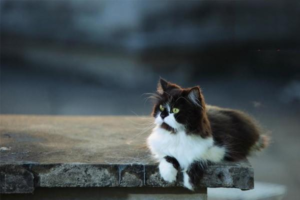
Freeze-dried (FD) food is made by freezing ingredients below -30°C and drying them under vacuum so water sublimates, keeping nutrition and shape largely intact for long storage. Benefits: minimal nutrient loss, unchanged appearance, long shelf life (~10 months), and good rehydration and palatability. It comes as staple or treat FD, fed dry, rehydrated, or mixed with other food. Watch the pitfalls—substandard 'FD' that's really air-dried, and bacterial overload—and choose reputable factory products, quality meat, sensible pricing, opaque sealed packaging, and irradiation sterilization.

What to Prepare When You Bring a Cat Home
Bringing a cat home means stocking up on a few essentials first. You'll need a litter box (open or semi-enclosed) with tofu litter and a scoop, plus ceramic or stainless steel food and water bowls and at least two water stations. For food, a quality dry kibble, occasional boiled chicken or beef, and a weekly wet-food meal cover the basics, with treats kept to a minimum. Scratching posts and teaser toys keep your cat active and protect your furniture, while nail clippers, cat-safe shampoo, a carrier, and a pet disinfectant handle grooming and outings. Finally, hairball remedies and a regular parasite-control plan keep your new companion healthy.
Why Do Cat Freeze-Dried Food Prices Vary by Up to 10x?
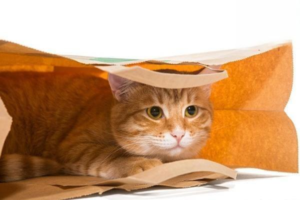
Freeze-dried cat food can range from under 90 yuan per kilogram to more than 800 yuan per kilogram — a tenfold gap that confuses many owners. The difference comes down to raw-material quality, the freeze-drying process, sterilization, logistics, and brand markup. Premium products use high-grade meat and true vacuum freeze-drying at −30 to −40°C, while cheaper ones may add starch, reach only −20°C, or simply bake the meat dry. Because freeze-drying dehydrates but does not sterilize, proper irradiation and sealed individual packaging matter for safety. When choosing, favor genuine freeze-dried food with intact color and shape, sealed single-serving packs, and a price around 90 yuan/kg or above.
Downsides of Owning a Ragdoll Cat
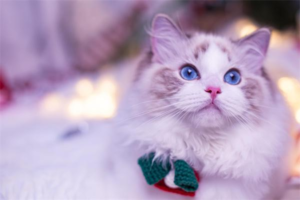
Ragdolls are beloved but come with real drawbacks: heavy shedding that needs regular grooming, a large body that eats more and costs more, long fur that traps dust and food and spreads around the home, a clingy nature that demands attention, a higher purchase price, and a delicate stomach prone to diarrhea and vomiting. Their upsides, gentle friendliness, easy adaptability, and calm low-energy temperament, often make owners accept the extra work. Weigh the cons against your lifestyle before committing.
Cat Dewormers Compared: How to Choose the Right One
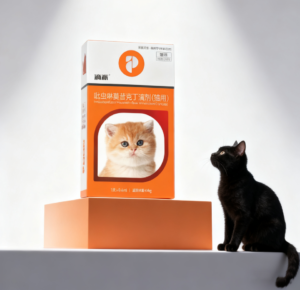
More than half of household cats are estimated to carry at least one parasite at some point, with fleas, roundworms, and heartworm among the most common. Regular, science-based deworming can sharply lower that risk and protect both cat and owner. This guide compares the main types of cat dewormers by their active ingredients and explains how to match a product to your cat's age, lifestyle, and parasite exposure, so you can build a safe, sustainable routine without relying on brand hype.

Plecostomus
The Plecostomus — the 'sucker fish' or 'garbage fish' — clings to glass and plants scraping algae, but it is no miracle cleaner: it eats prepared food, nibbles slow tankmates, and makes heavy waste. A scaleless, salt-sensitive tropical catfish from South America, it needs soft, warm water and lives 8–10 years.