Search Results
63 results for “cat eyelid”

Canine and Feline Entropion: Symptoms, Treatment, and Prevention
Entropion is the inward rolling of the eyelid edge in dogs and cats, making lashes scrape the cornea and cause tearing, conjunctivitis, and ulcers. It is often surgical, especially in breeds like Shar-Pei and Chow Chow.
Eosinophilic Myositis in Dogs
Eosinophilic myositis is a recurrent inflammation of the chewing muscles in dogs (often young herding breeds), marked by sudden swelling, eye protrusion, and trouble opening the mouth. It is likely allergic or autoimmune. Anti-allergy and anti-inflammatory care, plus feeding support, are key.

Canine and Feline Thelaziosis (Eye Worm Infection): Symptoms, Treatment, and Prevention
Thelaziosis is caused by the nematode Thelazia (eyeworm) that lives under the nictitating membrane of dogs and cats, causing conjunctivitis and keratitis that can impair vision. The worms are physically removed and the eye treated.

Feline Chlamydiosis: Symptoms, Treatment, and Prevention
Feline chlamydiosis is a contagious bacterial infection caused by Chlamydia felis, most often producing conjunctivitis but also rhinitis and pneumonia. It is treated with tetracycline-class antibiotics and isolation of affected cats.

Canine Viral Papillomas (Warts): Symptoms and Treatment
Canine viral papillomatosis is a contagious wart-like growth caused by the canine oral papillomavirus, appearing in the mouth or on the skin. Most cases resolve on their own within weeks to months, but large oral tumors can interfere with eating and may need surgical removal.

Dry Eye (Keratoconjunctivitis Sicca) in Dogs: Symptoms and Treatment
KCS, or dry eye, is an eye disease in dogs caused by a lack of the watery tear layer, an inflammation of the cornea and conjunctiva from dryness. This article explains the symptoms of dry eye and how it is diagnosed and treated.

What Is Canine Parvovirus?
Canine parvovirus (CPV) is a single-stranded DNA virus that hits unvaccinated dogs of any age; CPV-2 is the most virulent and a leading cause of severe puppy enteritis. It spreads by fecal-oral contact, resists the environment for months to years, and causes vomiting, bloody diarrhea, and dehydration. Vaccination is key.

Dog Has Pus-Like Eye Discharge
Pus-like discharge with red eyes can mean heat, a foreign object, infection, eyelid rolling inward, or keratitis and corneal ulcers. Find the cause before treating, because some of these need surgery and neglect can cost the dog its sight.
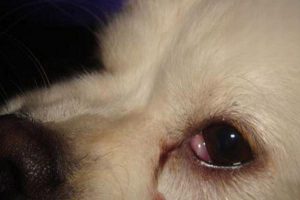
Bumps Around Your Dog’s Eyes
Bumps near the eyes can come from mosquito bites, fungal or mite infection, poor nutrition, or low immunity. Most bug bites fade on their own, but recurring or worsening spots deserve a vet's opinion.
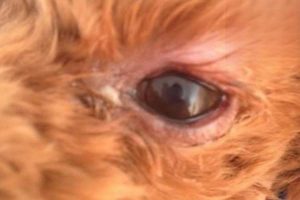
Why Are My Teddy Dog’s Eyes Red?
Red, irritated eyes are common in dogs and can range from harmless to serious. Frequent triggers include exercise, diet-related 'heat,' foreign objects, infections, and injuries. Most mild cases improve with gentle cleaning, but persistent redness needs a vet check to protect your dog's vision.