Search Results
213 results for “cat eye injury”
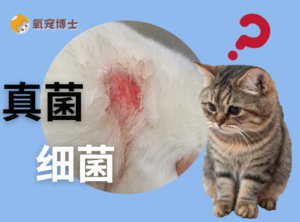
Cat Skin Redness and Hair Loss: Fungal or Bacterial?
A cat's skin normally carries small amounts of bacteria and fungi that only cause trouble when the skin barrier breaks. Fungal infection, usually Microsporum canis, shows as ring-shaped hair loss with a red raised edge and dry scales, and spreads slowly. Bacterial infection is usually secondary—after a scratch, bite, mite, or allergy—and appears as pustules and fast-growing ulcers. Telling them apart guides the right treatment.

Why Are Your Cat’s Eyes Red?
Red eyes in cats have many causes, including injury, foreign objects, ingrown lashes, keratitis, corneal damage, and new corneal blood vessels, each needing different care. If you see redness, check for debris and rinse with saline, then use a pet eye drop; if redness comes with other signs, see a vet. Conjunctival congestion from conjunctivitis or corneal injury eases with decongestants, while deeper ciliary congestion from severe corneal damage, uveitis, glaucoma, or tumors needs diagnosis. Viral colds with eye redness also bring sneezing and discharge.

What Causes Eyelid Entropion in Dogs?
Dog eyelid entropion comes in congenital and acquired forms. Breeds like Shar-Pei, Chow, Great Dane, miniature Poodle, Saint Bernard, and Labrador are prone to the congenital type because of facial structure and genetics. Acquired entropion follows conjunctivitis, foreign irritation, ingrown or double eyelashes, dry eye, or corneal ulcers, and shows as spasmodic muscle contraction; seniors may get it from lost tone. Most cases ease once the cause is removed, but if not, eyelid surgery is likely needed.

Chinese False-eyed Turtle
The Chinese False-eyed Turtle (Mauremys pallidiceps) is a turtle endemic to China that favors clear, slow-moving streams with sandy bottoms and is sometimes found in farmland. Shy and largely carnivorous in captivity, it remains uncommon and is best kept with attention to water quality and a varied diet.

Squamous Cell Carcinoma in Dogs and Cats
Squamous cell carcinoma is a skin tumor of the epidermal layer linked to long-term sun exposure and other skin irritation. It is the second most common skin tumor in cats and favors the head, ears, lips, and nose. Wide surgical removal is the main treatment, though it often recurs.

Anterior Uveitis (Iridocyclitis) in Dogs and Cats
Anterior uveitis is inflammation of the iris and ciliary body in dogs and cats, causing pain, redness, and light sensitivity. It may arise from eye trauma, infection, or disease elsewhere in the body and requires prompt treatment to protect vision.

Canine and Feline Cherry Eye (Third Eyelid Gland Prolapse): Symptoms, Treatment, and Care
Cherry eye is the prolapse of the third eyelid gland in dogs and cats, appearing as a pink mass at the inner corner of the eye. Mild inflammatory cases settle with drops, but surgery is often needed to replace the gland.

Eyelash Abnormalities in Dogs (Distichiasis, Ectopic Cilia): Symptoms, Treatment, and Care
Eyelash abnormalities in dogs—distichiasis, ectopic cilia, and trichiasis—occur when lashes grow in the wrong place or direction, irritating the cornea. Cats lack eyelashes, so this is a dog-only problem, often needing surgical correction.

Chemical Burns in Dogs and Cats
Chemical burns are skin injuries from strong acids, alkalis, or phosphorus. Acids cause a thick, dry, leathery scab; alkalis penetrate deeply; phosphorus keeps burning and glows in the dark. Immediate flushing and veterinary care limit tissue damage.

Warfarin (Anticoagulant Rodenticide) Poisoning in Dogs and Cats
Warfarin is an anticoagulant rodenticide that blocks vitamin K, so poisoned pets bleed internally and may die suddenly or bruise easily. Vitamin K1 and, in severe cases, transfusion are the core treatments.