Search Results
608 results for “cat eye color”
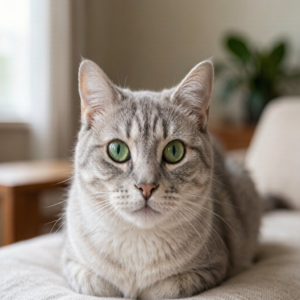
What Colors Can Cat Eyes Be?
Cat eyes come in yellow, orange, green, gold, gray, and amber, with blue as a rarer shade. Color is set by genes through iris pigmentation and light refraction. The iris has two pigmented layers, the stroma and the epithelium, and the number of melanocytes decides the hue while their activity sets the depth; without melanocytes the eye looks blue. Green and gold are most common, blue is uncommon and often seen as elegant, and a kitten's eyes start blue before settling into their true color. Illness or injury can dull the shine later in life.
The Secret Behind Cats With Two Different Eye Colors
Odd-eyed cats - sometimes called "strange eyes" - have two differently colored irises and usually turn up in white cats; among purebreds, matching eye color is the norm, so odd eyes are typically from mixing. The condition, heterochromia iridis, is not a disease. Japan once called gold-and-blue eyed cats a symbol of luck, and Thailand's native Siamese region named the look "diamond eyes." The cause is the dominant white (W) gene, which suppresses pigment cells; without them the iris looks blue, and the same missing cells also fail to form the ear's sound sensors, which is why many white blue-eyed cats have hearing loss. About 60-80 percent of white blue-eyed cats have some deafness, and a blue-eyed side in an odd-eyed cat carries a 30-40 percent chance of deafness on that ear.
Why Do Cats Have Different Eye Colors?
Cat eyes come in an astonishing range of colors - copper, amber, green, blue, orange and brown - and certain breeds are famous for theirs: Ragdolls and Siamese for brilliant blue, while the common domestic shorthair most often shows yellow. But a kitten's eye color is not set at birth. Newborn kittens usually have blue eyes because melanin has not yet activated, and the true color only emerges as they grow. In this article we explain what determines a cat's eye color, at what age it settles, why some cats show a mesmerizing deep blue, and the fascinating genetics behind odd-eyed cats with two different colored eyes.
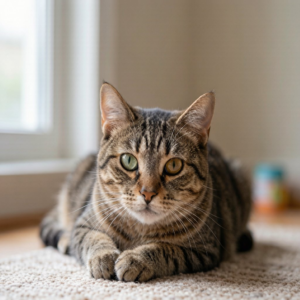
Is It Normal for Cats to Sleep With Their Eyes Open?
A cat sleeping with eyes open is usually normal and tied to its sleep style. In light sleep, cats stay alert with eyes partly open so they can react and escape danger fast; deep sleep closes the eyes. Some cats simply prefer partially open eyes. But eye disease can also cause it, so check for tears or redness.
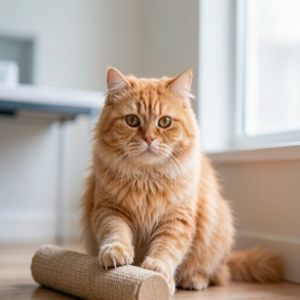
Why Does Your Persian Cat Keep Tearing Up
Persistent tearing in Persian (Exotic) cats can have several causes. Their short nasal passages and shallow eye sockets make mild tearing normal, but blocked tear ducts, structural gland issues, conjunctivitis, keratitis, injury, or foreign particles can all increase eye discharge. Diet also plays a role: salty food and low water intake lead to internal heat and heavy tear staining. If tearing continues or comes with redness, fever, poor appetite, vomiting, or diarrhea, see a veterinarian for diagnosis and treatment.
Which Cat Breeds Rarely Bite? (And Why Personality Still Wins)
If you worry about being bitten, choose a naturally gentle breed: Ragdoll, British Shorthair, Maine Coon, Birman, exotic shorthair (Exotic), Siamese, Sphynx, and orange tabbies are widely seen as low-aggression, friendly, and people-oriented, good for families with kids. Ragdolls go limp and forgiving, British Shorthairs warn with a soft paw, Maine Coons show feeling by walking away, and orange tabbies are affectionate but prone to weight gain. Yet every cat is an individual, and even these breeds can bite if pushed past their limits. Learn each cat's boundaries, respect its feelings, and avoid over-stimulating it.
Cat and Dog Tear Stains: Understanding the Causes and Managing Them at Home
Tear stains are a common frustration for owners of flat-faced breeds and many other cats and dogs. They are rarely a single mystery illness; instead they usually trace back to blocked tear ducts, ear problems, allergies, or diet. The right fix depends entirely on the underlying cause. This guide walks through the main reasons pets develop reddish-brown staining, what each pattern looks like, and the at-home steps—gentle cleaning, ear checks, allergy control, and diet tweaks—that keep stains from returning. Knowing the cause is the first step to clearer, healthier eyes.

Causes and Treatment of Eyelid Entropion in Dogs
Eyelid entropion is a common eye problem in dogs, often caused by genetics and eye disease. The right treatment depends on how severe it is, and with proper care it can be controlled and managed. Mild cases are usually treated with medication, while severe entropion needs timely surgery. Keeping the eyes clean helps reduce the chance of entropion developing.
How to Read Your Cat’s Mood From Its Ears
A cat's ears are a precise emotional radar: 32 independent muscles let them rotate 180 degrees to pin sound, and their position shifts with mood in real time. Forward and relaxed means content and trusting; upright and swiveling means alert and defensive, so don't disturb; flat back against the head (the "airplane ears") means fear or stress and a risk of fleeing or lashing out, so move the cat to a calm space and consider a pheromone spray. A single tilted ear shows curiosity, and frequent flicking just means something tickled the ear. Reading these cues helps you interact at the right moment and avoid forcing contact when the cat is uneasy.
Can Cat Flu Leave Lasting Effects After Recovery?
Feline rhinotracheitis (cat flu), caused by feline herpesvirus FHV-1, cannot be cured—the virus hides for life in the trigeminal ganglion and can reactivate whenever the cat is stressed, the season changes, or immunity dips. Most cats recover and live normally, but some are left with mild, manageable effects: a sensitive nose that drips in cold or dusty air, heavier tear staining from narrowed tear ducts, or—in high-risk cases—repeated flare-ups that can progress to chronic bronchitis or pneumonia. Good care (warm stable surroundings, humidity control, stress avoidance, balanced nutrition with lysine and vitamins, and regular vaccines) keeps recurrence rare. This article explains the sequelae, why only some cats get them, and how to minimize repeat episodes.