Search Results
79 results for “cat emotions”

Reading Your Cat’s Emotions Through Body Language
Cats show relaxation, happiness, play, fear, anger, and illness through posture, tail, eyes, and ears. Learning these signals helps you respond calmly and protect both of you.

Can Cats Sense Their Owner’s Emotions?
Cats can read our emotions through facial expressions and body language, drawing closer when we are happy and keeping distance when we are angry. They also comfort us with presence, soft paws, and purring. Most cats learn to read us over time, offering quiet companionship.
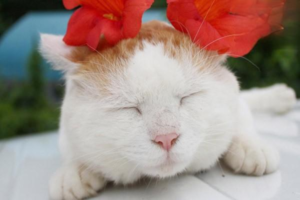
Simple Coping Strategies for Cat Stress Responses
Cats, like us, feel stress and tension. When tense they easily show stress responses, and excessive stress affects health and lifespan. How can owners help? Here we detail cat stress sources and simple coping strategies.

What to Do with Your Cat When You’re Away for the Holidays
When you travel for a holiday, your furry child has nowhere to go. Taking it home risks stress from the journey and environment change; a boarding facility risks infection; asking someone over to scoop litter worries you about personal property. All these make every owner dread holidays. This article shares common placement methods and precautions.

Do Cats Really Get Jealous?
A partner visits and the cat seems jealous - side-eyeing us both or jumping between us to stir trouble! Do small animals have jealousy?

Common Tail Positions of Cats and Dogs
A cat's tail shows defense, anger, fear, or joy, while a dog's wag, drop, or stillness signals friendliness, danger, or unease. Learning tail language helps you understand your pet.

How to Tell Your Cat Is Unhappy
Cats hide feelings well, but vocal changes, airplane ears, a tucked tail, and withdrawal all signal distress. Even purring can mean a cat is self-soothing rather than happy.

Notes for First-Time Cat Owners
More people keep cats, but not everyone starts with enough knowledge. Let's rank a few mines newbies step on~

How to Help Two Cats Get Along
To help two cats coexist, learn their habits and give each its own space, food, and litter box. Use a scent-exchange buffer period, gradual supervised interaction with treats or toys, and plenty of resources and love.

Why Does My Cat Rub Against Me?
Cats rub against people to show affection, mark their territory with scent glands, and seek attention or comfort. While usually normal, frequent rubbing paired with other symptoms can signal parasites or skin problems.