Search Results
678 results for “cat ear cleaning”
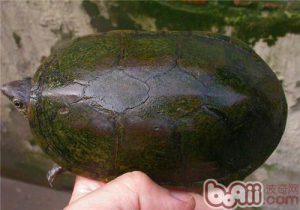
Oaxaca Mud Turtle
The Oaxaca Mud Turtle (Kinosternon oaxacae) is a type of mud turtle that aestivates in summer, burying itself in mud to cool down—hence its name. Living in slow-moving rivers, it hunts fish and shrimp in the water and is an omnivore that leans carnivorous.

Acanthoscurria juruenicola
The Brazilian orange-banded tarantula (Acanthoscurria juruenicola) is native to Brazil and Peru — another large species from Brazil. Overall brown with orange markings at the joints, a deep black carapace, and red hairs on the abdomen, the color combination is striking. Like the Brazilian whiteknee, the spiderlings are almost grey-white and will dig to hide.

Exotic Shorthair
The Exotic Shorthair — everyone's "Garfield cat" — pairs the Persian's plush look with a short, easy-care coat. Sweet, calm, and affectionate, it's one of the most laid-back cat breeds to live with.

FlemishGiant
The Flemish Giant is the largest domesticated rabbit breed in the world, originally from Belgium and recognized by the American Rabbit Breeders Association in seven coat colors. A gentle, docile, and hearty-eater companion that needs generous space and meticulous hygiene, it weighs 6–13 kg and lives around 5–8 years.

Canine and Feline Otitis Externa
Otitis externa is inflammation of the outer ear canal, commonly triggered by ear mites, foreign material, or improper cleaning that lets bacteria or fungi take hold. Treatment means cleaning the canal and tackling the underlying cause, with surgery reserved for chronic, end-stage cases.

Canine and Feline Aural Hematoma
An aural hematoma is a pocket of blood that forms between the skin and cartilage of the ear flap, usually triggered by vigorous head shaking or scratching. Small collections may be drained, but most require surgery to prevent a permanently scarred, thickened ear.

Canine and Feline Blepharitis: Symptoms, Treatment, and Prevention
Blepharitis is inflammation of the eyelid margin in dogs and cats, usually from bacterial or fungal infection of overactive glands, causing redness, crusting, and often conjunctivitis. It is treated by cleaning the lid and controlling infection.

Canine and Feline Interdigital Pyoderma: Symptoms, Treatment, and Prevention
Interdigital pyoderma is a painful bacterial infection between the toes of dogs and cats, causing swelling, redness, moisture, and foul odor, sometimes with draining tracts. It often follows a moist environment, mites, or blocked follicles, and needs thorough cleaning plus veterinary-directed antibiotics.

Feline Infectious Peritonitis (FIP): Symptoms, Treatment, and Prevention
Feline Infectious Peritonitis (FIP) is a chronic, progressive, and often fatal viral disease of cats caused by a mutated feline coronavirus. It is marked by inflammation of the abdominal lining, accumulation of fluid in the abdomen (the 'wet' form), and a high mortality rate. Young cats under 12 months, purebreds, and cats in multi-cat or shelter environments are most at risk.
My 52-day-old kitten has raw, rotting toes, keeps biting them, and the surrounding fur is gone—what’s the cause?
This is likely interdigital dermatitis, causing red, swollen, itchy, or ulcerated toes. For mild cases, clip the surrounding fur, clean with chlorhexidine, apply a topical antibiotic, and keep an Elizabethan collar on; seek veterinary care if it is severe.