Search Results
3956 results for “cat dog”

What to Do When Your Dog Has Fleas
Fleas are blood-sucking external parasites that itch and can spread disease. Without preventive care dogs pick them up easily from corners they love to explore. Treat the dog, clean the home, and stay on a deworming schedule.

Bumps Around Your Dog’s Eyes
Bumps near the eyes can come from mosquito bites, fungal or mite infection, poor nutrition, or low immunity. Most bug bites fade on their own, but recurring or worsening spots deserve a vet's opinion.

Post-Surgery Recovery Care for Your Dog
After an operation a dog is fragile and needs careful nutrition, soft easy meals, and real rest. A recovery supplement, balanced food, and limited activity help the incision heal and the dog bounce back.
Dog Has No Appetite but Stays Active
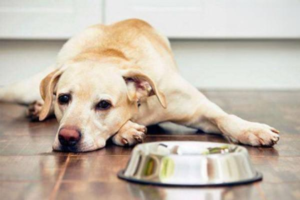
When a dog skips meals yet stays playful, the cause is usually the food itself or picky habits, not illness. Rule out the kibble first, then watch for a possible blockage if there is no bowel movement or drinking.

Why Your Dog Lost Its Appetite and Energy
A dog that stops eating and goes quiet may have a troubled stomach, parasites, an internal illness, or simply picky habits. Match the cause to the fix: adjust the diet, deworm on schedule, or see a vet when illness is the culprit.

When a Dog Is Infected with Rabies
Rabies is not passed before birth or through milk; a dog catches it from the saliva of a rabid animal entering a wound. Once symptoms appear there is no cure and death follows within days, so vaccination is the only real protection.

Caring for Your Dog During the Heat Cycle
During heat a dog may grow restless, vocal, or unusually quiet, and a female will bleed and attract males. Keep her calm, clean, and away from unfamiliar dogs, and decide early whether you plan to breed or to prevent pregnancy.

What Are the Signs of Fever in a Dog?
A dog with a fever loses interest in food, turns quiet and withdrawn, and develops a dry, hot nose and ears. Catching these signals early lets you check the temperature and start cooling before the illness worsens.
Can a Dog Recover from Parvo on Its Own?
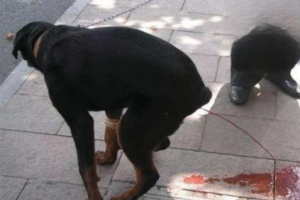
Parvo almost never clears up without veterinary help. It is a fast-moving, highly lethal viral infection, and unvaccinated puppies can deteriorate within days, so the honest answer is that a dog cannot safely be left to fight it alone.

How Quickly Is Parvo Fatal in Dogs?
Canine parvovirus is a highly contagious, often deadly disease that kills unvaccinated puppies within days if left untreated. With prompt veterinary care many dogs do recover, so the outcome depends far more on speed of treatment than on the virus alone.