Search Results
3959 results for “cat dog”

Dog Panting After a Short Walk? Watch for Heart Trouble
Panting after a brief walk is not always harmless—it can be a dog's heart crying for help. Heat, obesity, and flat-faced breeds pant normally and recover within minutes, but sudden breathlessness at rest, coughing at night, bluish gums, or constant fatigue warrant prompt cardiac screening. Early diagnosis and steady daily care can dramatically slow heart disease.

What Are the Benefits of Sunbathing for Dogs?
Letting a dog bask in the sun in moderation is a simple way to boost its health and happiness. Sunlight helps the body make vitamin D, which drives calcium absorption and strong bones. It also acts like a natural antidepressant—easing stress, anxiety, and low mood while improving circulation and brain function. UV rays stimulate immune cells so the dog resists infections better, and mild exposure can calm skin inflammation, speed wound healing, and keep the coat shiny by reducing surface bacteria and parasites. The catch is moderation: too much sun, especially at midday, risks dehydration, heatstroke, and even skin cancer. Always offer shade and fresh water, and keep sessions short.

Symptoms and Treatment of Tracheal Stenosis in Dogs
Tracheal stenosis is a common respiratory condition in dogs in which the windpipe narrows and makes breathing difficult, sometimes with a wheezing noise and, in severe cases, suffocation. It does not resolve on its own. Diagnosis relies on a physical exam, listening to the chest, X-rays, and tracheoscopy. Mild cases are managed with medication, while severe ones may need surgery such as a stent or tracheoplasty. Nutritional support, breathing therapy, and a calm, low-dust environment all aid recovery.

What to Keep in Mind When Using Topical Flea and Tick Treatment on Cats
Cats can pick up external parasites at any time of year, so regular preventive treatment matters. Topical products come as sprays or spot-on drops, and their coverage depends on the active ingredient, so the right choice depends on your cat's lifestyle and the parasites it faces. Apply spots along the spine, dose by weight, avoid bathing for a few days, and use an Elizabethan collar to prevent licking. Kittens can start around two months old with monthly treatment; adults need it every one to three months, more often in warm seasons or for outdoor cats. Never use dog-only products containing permethrin on cats.
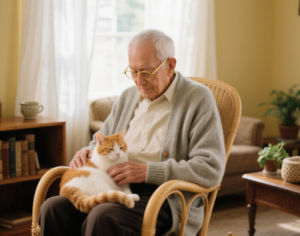
Why Are Cats Raised by Elderly Owners So Calm and Obedient?
Cats kept by elderly owners often seem gentler and more obedient than the lively pets raised by younger people, and the reason is rooted in pet behavior science. Cats love calm, predictable routines, and an older person's slow, regular daily rhythm gives them a sense of safety that lowers their guard. Seniors also provide the 'effective companionship' cats value most—short, low-intensity interactions like petting and soft talk scattered through the day—rather than infrequent marathon play sessions. On top of that, elderly owners tend to be gentle yet consistent: they neither shout nor overindulge, setting clear rules while offering unconditional acceptance. This calm, secure environment lets a cat relax and show its sweetest side.

Why Does Your Dog Bite Your Pant Legs? (And What It Means)
When a dog grabs and tugs at your pant leg, it is rarely out of spite. Most often the dog is trying to get your attention, invite you to play, or signal a need such as an empty food bowl. The swaying fabric can also trigger an inherited prey drive, since a moving pant leg looks like something to chase. In some cases—especially when you pick up keys or put on shoes—it signals separation anxiety: studies show a large share of dogs chew scent-bearing items to soothe themselves when they sense you are leaving. The fix is consistency: ignore the behavior, reward calm following, offer chew toys, and meet the dog's exercise needs. Understanding the motive behind the bite is the first step to changing it, and learning your dog's other body-language cues helps you bond.

CoQ10 for Dogs: Why It Matters for Your Pet’s Heart
As dogs age, heart function naturally declines, and heart disease is especially common in small breeds. Coenzyme Q10 (CoQ10) is a nutrient that helps power heart-muscle cells and protects them from oxidative damage, which is why it is widely used to support cardiac health in senior pets. Yet the supplement market is uneven—many products overstate or never verify their CoQ10 content. This guide explains what CoQ10 does for your dog's heart, how to choose a supplement with genuinely usable CoQ10, and what the current evidence says, so you can make a confident, informed choice.

What Are Dogs Most Likely to Be Allergic To?
Allergies are common in dogs, and the usual triggers fall into three groups: food, environmental factors, and parasites. Food allergies often show up as itchy skin, digestive upset, and general discomfort—some dogs react to dairy, eggs, chicken, or gluten-rich grains like wheat and corn. Environmental allergens such as pollen, dust, mold, mites, and certain pet products can cause sneezing, breathing trouble, itching, and stomach issues. Parasites like fleas and mites provoke relentless scratching, licking, and biting that can damage the skin and lead to infection. Once you identify the trigger, the response is targeted: remove the offending food, reduce allergens at home through regular cleaning, limit outdoor exposure during high-pollen seasons, and keep up a consistent deworming schedule. For severe cases, a vet may prescribe relief medication or recommend immunotherapy to build tolerance.
Everyday Habits That Seriously Harm Your Dog’s Joints
Joint disease in dogs is on the rise, and beyond obesity many overlooked daily habits do real damage. Slippery floors force dogs to grip hard and risk falls; bad exercise — long runs, sharp stops, jumping from heights — wears joints down; frequent stairs overload the knees, especially in long-backed breeds like Corgis; standing on hind legs for attention strains the spine; and overfeeding accelerates cartilage loss, particularly in large breeds with hip-dysplasia risk. Cold, damp floors stiffen joints and worsen pain. Watch for early signs — stiffness after rest, reluctance to jump, hind-leg dragging, pain when touched — and support joints with glucosamine and chondroitin.
How to Care for a Dog with Pancreatitis
Pancreatitis is a high-risk digestive emergency, especially common in overweight middle-aged and senior dogs, and it often returns even after recovery — so proper home care matters as much as treatment. During a flare-up, withhold food and water immediately and see a vet; never self-medicate. After discharge, feed a prescription diet under 10% fat (regular food is 15–20%+), split into 4–6 small meals, and strictly avoid all high-fat foods such as fatty meat, organ meats, fried food, and rich treats. Keep your dog warm to protect the abdomen, allow only gentle short walks, follow the medication plan exactly, and return for regular pancreatic checks. Controlling weight is the best prevention — obese dogs are over three times more likely to develop pancreatitis.