Search Results
3959 results for “cat dog”
How many days can a dog with internal injuries survive?
Survival depends on the injury. A hard impact that severely damages the heart or spleen can kill a dog within about ten minutes, while a milder case may live 3 to 5 days or longer. Mild stomach bleeding from swallowing a sharp object is usually not life-threatening with prompt treatment. Get an X-ray to assess the damage.
At what age is a dog safe from parvovirus?
A dog can catch parvovirus at any age, but after six months its immunity is much stronger, so infection has a higher survival rate than in puppies. Beyond age, full vaccination and adequate antibody levels are what truly lower the risk. Any dog showing vomiting, diarrhea, fever, or lethargy should be tested.

What to Do About Eczema in Dogs
If your dog develops eczema, take it to a vet to confirm the cause, then treat with vet-recommended topical and oral medication such as fluocinonide or betamethasone cream and dexamethasone or prednisone tablets. Support healing with skin hygiene, a hypoallergenic diet, an Elizabethan collar, and a clean, low-allergen environment.

Why Is My Dog Refusing to Eat?
A dog may stop eating because of illness, unsuitable or suddenly changed food, weather or environment shifts, stress, old age, vaccine or medication effects, or heat cycles. Treat disease-related refusal with a vet visit, and address stress-related refusal with comfort and routine.
How Long After Eating Does a Dog Need to Poop?
A dog usually defecates 30 minutes to 2 hours after a meal. Puppies on moist food digest fast and may go in 15–30 minutes; adults on kibble take 1–2 hours. Walk your dog after meals, but avoid intense exercise right after eating to prevent gastric spasm or vomiting.
The Munchkin Cat: A Care Guide for the Short-Legged Breed
Munchkins are gentle, clingy, and adaptable, making them easy keepers — but their limited jumping means the litter box and bed must stay low. Short legs mean less daily activity, so unchecked feeding easily leads to obesity that strains the joints and raises arthritis and spinal risk; watch the diet. And because the 'chassis' sits low, the belly (and in long-haired ones the coat) picks up dirt, and the rear can smear — so help with cleaning.
Why Is My Dog’s Eye Turning Blue? Watch for These Diseases
A blue eye can mean infectious canine hepatitis ('blue eye'), corneal edema, or cataracts (often blue-white); in a 6–7-year-old senior whose vision seems fine, it may just be nuclear sclerosis from aging. Most eye diseases can't be judged by eye alone, so the right move is a vet visit — tonometry, slit-lamp, and fluorescein staining pin down the cause.
What to Know When Your Dog Is Pregnant
A common myth is that a pregnant dog needs lots of extra food — but early on, intake shouldn't rise much, or obesity makes delivery harder. Avoid baths in the first 20 days and last 10 days; in between, a quick warm rinse and thorough dry is fine. Keep the nipples clean and dry, and never give any medication (including dewormer) without a vet's sign-off.
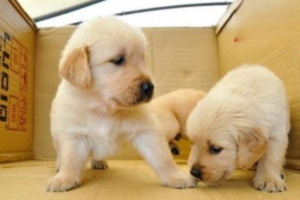
Is It Normal for a Dog to Have a Lot of Eye Discharge?
A little eye discharge is normal in dogs—especially flat-faced and narrow-duct breeds like Bichons and Poodles, and in puppies—but a sudden increase can signal 'heat,' conjunctivitis, keratitis, blocked tear ducts, or allergies. Clean gently, switch to a light diet with more water, and see a vet if it persists.
How do I train my dog to pee and poop in a fixed spot?
Toilet training a dog takes a few steps: pick a spot away from where it eats and sleeps, then reward it with praise and treats when it goes there and correct it (such as a brief time-out) when it goes elsewhere. Never punish mid-act, or the dog may think eliminating itself is wrong.