Search Results
3964 results for “cat dog”

Is Your Dog Sick If Its Nose Is Running
A dog with a runny nose is not automatically sick - mild cases often clear up on their own, so do not panic. But watch for loss of appetite, cough, vomiting, or loose stool, which mean something more serious. The discharge type is a clue: clear watery fluid suggests a cold or rhinitis; thick egg-white mucus points to an upper respiratory infection or bronchitis; yellow-white sticky mucus signals sinusitis; pus-like, pasty discharge suggests distemper, pneumonia, or bronchitis; and blood-tinged or foamy fluid warns of lung bleeding, edema, or congestion. If it is only a simple cold, keep the dog warm, give water, and a little children's-dose banlangen or antiviral oral liquid for about three days - but stick to a child's dose.

What to Do When Your Dog Has a Cold and Cough
Caring for a dog is like raising a child - feeding, shelter, and sickness all fall to you, and the common cold is near the top of the list. A dog with a cold looks defeated: ears down, eyes shut, motionless in the bed, with a rising temperature (adult dogs run below 39.2C, puppies 38-39C; above 39C means fever). It also coughs, has a runny nose, red conjunctiva, poor appetite, and shivers from the cold. Do not bathe a sick or coughing puppy - bathing strips a protective layer and lowers immunity. Keep the sleeping area warm with a blanket or hot-water bottle, dress the dog for walks, and keep the bed out of drafts. For the cough and runny nose, a half-packet of children's cold granules three times a day for about a week helps; dog-specific supplements are an option too. Feed nutritious food like beef and vegetables to build resistance, and catch illness early.

What to Do When Your Dog Has a Runny Nose
Every owner meets a sick dog - runny nose, low spirits, diarrhea. Do not panic or rush to medication; first find the cause. Feel the nose: a healthy awake dog's nose is moist, so a wet nose with a runny nose usually means cold weather, while a dry nose with cough and lethargy likely means a cold. For cold-weather runoff, warm the dog well, since puppies have weak resistance. For a cold, see a vet and follow the advice - mild cases go home on schedule, severe ones may need fluids. Never give human medicine on your own if you are unsure; ask a vet. Also keep the diet plain - no salty or spicy food - and remember grains give the best coat and health, with meat as a supplement rather than a daily staple.

How to Tell if a Black Wolf Dog Is Purebred
By looks and temperament, a pure black wolf dog has bright eyes (black as a pup, light red or orange as an adult), solid glossy black coat, a strong balanced build with heavy bone and muscle, and a curious, somewhat fierce but deeply loyal nature. The surest proof is pedigree papers from a reputable source, with expert or DNA help when needed.

What to Do When a Dog’s Seizures Become More Frequent
When seizures grow frequent, see a vet to find the cause and a medication plan; tests like blood work or EEG may be used. Anti-seizure drugs such as diazepam or phenobarbital control episodes—give them on schedule, never change dose or stop on your own. Watch diet, sleep, and exercise for triggers, and avoid highly stressful or excited environments.

How to Discipline an Overly Playful Cat
An overly playful cat usually has excess energy or wants attention. Cats need daily activity; without it they act out to burn energy. A long-ignored cat may misbehave to draw notice. Beyond play and toys, punish bad behavior on the spot with fair, consistent correction, and consider spaying or neutering a hot-tempered cat, which usually calms it.
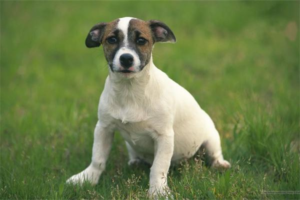
How to Tell If Your Dog Has Roundworms
Roundworms show as constipation or diarrhea (sometimes worms in stool), poor appetite, nausea, weight loss, dry coat, and itchy skin. A vet confirms by fecal exam, clinical signs, or ultrasound when heavy. Deworm with the right drug, keep a regular schedule (pups monthly, adults every 3 months), and maintain hygiene and diet control.

What to Do When a Dog Keeps Panting
Panting can stem from overheating, stress, pain, heart or lung disease, or tracheal collapse. Cool an overheated dog and ease a scared one with quiet, interaction, or a calming spray. If panting persists or comes with other symptoms, see a vet promptly. Prevent with a clean home, regular checkups, and good diet and exercise.

Can a Dog Recover on Its Own After a Bee Sting?
A dog stung by a bee can usually recover on its own if the reaction is mild, but the owner should still treat the wound. Remove the stinger carefully without squeezing, clean the area with soapy water for about 5 minutes to ease itching and swelling, apply a cold compress, and put on an Elizabethan collar to stop licking. If the dog shows severe swelling, whole-body itching, or hives, take it to a vet for antiallergic treatment.

Causes of Non-Regenerative Anemia in Dogs
Non-regenerative anemia in dogs stems from nutritional deficiency, chronic disease, bone marrow problems, or tumors that stop new red blood cells from forming. Diagnosing the underlying cause guides treatment and recovery.