Search Results
3964 results for “cat dog”
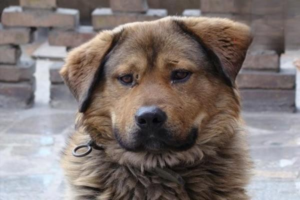
How to Keep Your Dog Warm During a Cold Snap
When a cold wave hits and temperatures drop, owners bundle up and want coats on their dogs - but some think dogs aren't cold with all that fur. This article explains whether dogs feel cold.

Think Kidney Failure in Dogs Is Rare? Think Again
Canine kidney failure is common—the 4th leading cause of dog death. Unlike cats, it often follows periodontal bacteria or heart disease. Signs are more drinking/urinating, mouth ulcers, anorexia, and weight loss. Manage with diet (controlled phosphorus and protein) and supervised feeding.

What Are the Signs of Dog Kidney Failure, and How Is It Treated?
Early signs are dehydration, diarrhea, odd urine, thirst, drowsiness, vomiting, and weight loss; long-term brings bleeding, high blood pressure, blindness, lung fluid, and seizures. Treat by cause with fluids, blood-pressure drugs, diet, and anemia care; avoid high-phosphorus food.

Why Does Your Dog Keep Shaking—Is It Cold?
Shaking isn't only cold or fear. It can also mean excitement, illness (kidney failure, distemper, injury), or poisoning (morning glory, castor bean). Watch closely; frequent or nonstop shaking needs a vet.

Dog Urine with Blood: Causes and What to Do
Blood in dog urine usually means tract injury or infection, but causes differ — urinary disease, an intact tom's mating friction, poisoning, or blood parasites. This guide covers each with the right treatment.

Common Digestive Diseases in Dogs and Their Treatment
Common canine digestive diseases are gastritis (with enteritis), gastric dilation, and constipation. Each has clear causes and treatments—from diet fixes and enemas to, in severe cases, induced vomiting or surgery.

How to Prevent Arthritis in Dogs
Arthritis pain is severe—signs include lameness, inactivity, an arched back with crying, irritability, and muscle atrophy. Prevent it with healthy weight, daily exercise, a dry comfy bed, good nutrition, and regular checkups.

Cat Vomiting and Diarrhea? Watch for Colitis
Colitis is a group of large-intestine diseases—acute, chronic, or ulcerative. It comes from parasites, bacteria, viruses, irritants, or primary causes. Treat vomiting/diarrhea with an antiemetic-antidiarrheal and probiotics, and prevent dehydration.

What to Do When Your Dog’s Nose Is Blocked and Stuffy?
Like people, dogs can catch colds and fevers and have stuffy noses. Seeing a dog with a blocked, congested nose and difficult breathing is distressing. This article explains the causes of nasal congestion in dogs and how to relieve it.

What Causes Watery, Foul-Smelling Dog Stools with Blood?
When a dog has watery stools with a bloody, foul smell, diarrhea, or blood in the stool, many owners first fear infections like parvovirus or coronavirus. But not only infections cause watery stools. This article explains the possible causes of bloody, foul-smelling diarrhea in dogs.