Search Results
3964 results for “cat dog”

What You Should Know About Heatstroke in Dogs
Dogs cool themselves mainly by rapid panting because they have almost no sweat glands, so they overheat quickly in summer. Recognize early signs like heavy panting and red gums, and act fast—move to shade, offer cool (not ice) water, and cool the paws—then see a vet.
Symptoms and Treatment of Chronic Colitis in Dogs
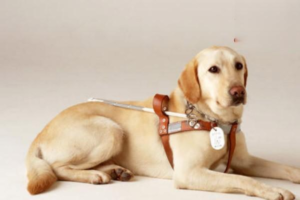
If your dog often has soft stools, excessive bowel movements, or has bloody stool and straining to defecate, then pay attention, the dog may have chronic colitis. Compared with gastroenteritis, you may be relatively unfamiliar with dog colitis. Today we specifically understand the symptoms and treatment of chronic colitis in dogs.

What to Do When a Dog Is Chronically Constipated with Dry, Hard, and Small Stools
A dog's long-term constipation with dry, hard, and small stools is generally related to diet, but if the owner finds through dietary adjustment that the dog's constipation has not improved, consider whether the dog has other intestinal diseases. Below we introduce the causes and solutions of long-term constipation in dogs.

How to Regulate a Dog’s Stomach When It Often Has Diarrhea
A dog's frequent diarrhea may be caused by diet or intestinal parasites. It can usually be regulated through diet, exercise, and deworming prevention, but the owner needs to regulate according to the dog's specific situation to be simpler and more effective. For the specific content of how to regulate a dog's stomach when it often has diarrhea, please read on with us!

What Causes a Dog to Have Frequent Diarrhea
A dog's frequent diarrhea may be caused by the owner feeding the dog food that is too greasy, or the dog being infected with intestinal parasites, suffering from chronic gastroenteritis, etc. It is recommended to self-check the cause according to the dog's specific situation, treat symptomatically, and then regulate through diet. Today we first introduce several common causes and solutions for dog diarrhea.
Best Medications for Cats with Colitis and Blood in Stool
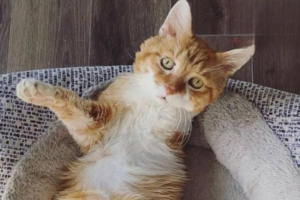
If your cat is mentally normal with a normal temperature and no loss of appetite, but frequently passes soft or even watery stools with a foul, fishy odor, it may have colitis. Feline colitis is often related to viruses and parasites, and requires prompt identification of the cause and treatment to avoid dehydration or even death. Today we walk you through the treatment of feline colitis.

Symptoms and At-Home Medication Treatment for Canine Distemper and Feline Panleukopenia
Distemper disease is a highly contagious viral disease with a high fatality rate, usually showing symptoms such as high fever, vomiting, diarrhea, loss of appetite, lethargy, and increased eye and nasal discharge. Common pets such as dogs and cats may be infected with the distemper virus, and the most effective way to prevent viral infection is vaccination. Today we explain knowledge about distemper disease around canine distemper and feline panleukopenia.
What Causes Bloody Stool From Cat Colitis
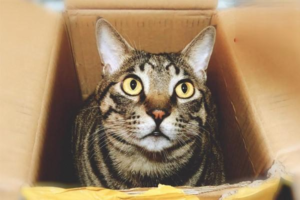
Bloody, foul cat stool usually means colitis—from diet change, foreign objects, bacteria, parasites (coccidia, Giardia), drugs, or allergies. Treatment pairs diet and probiotics with targeted antiparasitic, antiallergy, and antibiotic care.
Symptoms of Heart Disease in Cats
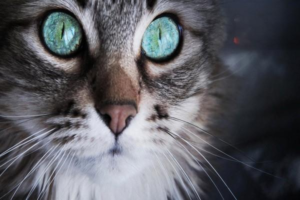
A US study found 16% of seemingly healthy cats hide heart disease. Key warning signs: mouth-open breathing, strong chest/belly movement, sudden hind-leg paralysis from arterial clot, and fainting. Act fast at any of these.

Symptoms of Hypertrophic Heart Disease in Cats
Feline HCM is common in breeds like Burmese and Ragdolls. Early signs are subtle — breathing trouble, low appetite, tiredness — while late signs include heart failure, blood clots, and sudden death. Learn what to watch for.