Search Results
118 results for “cat distress”
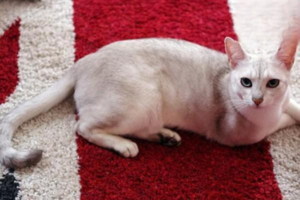
Why Is Your Cat Peeing Frequently? Causes
Frequent trips to the litter box with long squatting, sometimes with blood, signal feline pollakiuria. Causes range from disease and pregnancy to diet, heat, age, and stress; diagnosis and treatment depend on the cause.

Why Does My Cat Keep Vomiting
Cat vomiting is common yet complex. Every owner faces it, but many diseases cause it—a dozen or two. Even vets find 'my cat threw up, why?' hard to answer.

Cat Hairballs: Symptoms and Treatment
As a cat parent, you've likely seen your cat vomit a hairball — usually a long tubular mass of hair, quite distressing for your cat.

How to Tell Your Cat Is Unhappy
Cats hide feelings well, but vocal changes, airplane ears, a tucked tail, and withdrawal all signal distress. Even purring can mean a cat is self-soothing rather than happy.

Causes and Treatment of Cat Pharyngitis
Cat pharyngitis is divided into primary and secondary types. Primary pharyngitis mostly comes from injury to the pharyngeal mucosa, while secondary pharyngitis comes from infection spreading to the throat. Their treatments differ slightly. Here is a detailed look at the causes and treatment of cat pharyngitis.

The Causes and Dangers of Cat Pharyngitis
Many people have suffered from pharyngitis themselves and know it is uncomfortable, slow to heal, and prone to recurrence. What you may not realize is that cats can develop pharyngitis too and endure the same distress. Here is what cat owners should know about the condition.

Why Can’t a Cat Cough Up the Phlegm in Its Throat?
Watching a cat struggle with phlegm it can't clear is distressing, but the cause is usually identifiable. Learn why cats get phlegm stuck and the practical steps to help them clear it.

Why Does My Cat Cry at Night and What to Do
Nighttime cat crying can stem from hunger, thirst, litter needs, loneliness, boredom, or illness. Meet basic needs with scheduled food/water and clean litter, give play and attention, and see a vet if other symptoms appear.

Why You Should Never Grab a Cat by the Tail
Grabbing a cat by the tail is painful and risky: the tail is made of small bones linked to nerves and muscles, and pulling it can injure bones, nerves, and balance, even upsetting the stomach. A frightened cat also loses trust in you. Always let the cat come to you and support its chest and hindquarters instead of the tail.

Benefits of Spaying Your Cat and What to Prepare
Spaying removes a female cat's ovaries and uterus (or a male's testes) so she or he cannot reproduce, and it greatly lowers the risk of reproductive diseases and problem behaviors. This guide covers the benefits plus the health checks, fasting, and aftercare you need to get right.