Search Results
505 results for “cat distemper”

Is a Dog Drooling Mucus a Sign of Distemper?
Is dog drooling mucus a sign of distemper? Many owners fear distemper when they see mucus from the mouth, but is it 100% certain? Actually no - drooling is only one symptom of distemper. Owners can check for other distemper signs or do a distemper test strip before judging. Many other things cause drooling: oral inflammation, stomach discomfort, and teething puppies all drool; judge by the symptoms.
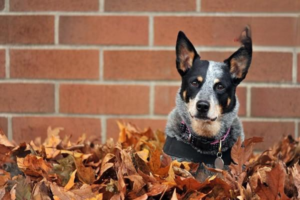
Canine Distemper Sequelae: What They Are and How to Treat Them
Canine distemper, commonly called dog distemper, is a highly contagious disease caused by a virus, generally occurring in puppies. Early clinical signs are similar to a pet dog's cold, so many new owners overlook it and delay treatment. With early effective treatment, the dog can be cured.

What to Do When a Sick Dog Refuses Medication
A sick dog with cough, fever, and poor spirits was first thought to have distemper, but the vet said it was just a common cold and prescribed some medication. So the problem shifted from fearing distemper to how to get the dog to take the medicine. This article explains what to do when a sick dog refuses to take medicine.

Clinical Signs of Canine Distemper
Canine distemper is a disease that requires prompt treatment; without timely care, severe symptoms appear and the pet's vital signs weaken. Vaccination against distemper should be done regularly. The schedule is: first vaccination at 50 days of age, second at 80 days, third at 110 days, then once a year thereafter. Many core vaccines are on the market - six-in-one, five-in-one, and three-in-one - but the six-in-one vaccine is recommended as it protects against more viruses.

Cat Vaccination Schedule and Precautions
Vaccination usually means the feline triple vaccine (FVRCP) and the rabies vaccine. The triple vaccine protects against three common, contagious feline viruses.

What If Your Cat Still Has Soft Stool After Deworming?
Soft stool has many causes: irritating or overeaten food (fragile kitten guts cause poor digestion, soft stool, even diarrhea), parasite infection, early feline distemper, etc. Owners can first give some probiotics to settle the gut.

Causes and Treatment of Abnormal Bleeding in Cats
There are many causes of abnormal bleeding in cats, including diseases related to platelets, clotting factors, or blood vessels. Although these diseases are uncommon in cats, they can occur at any age or breed. This article explains the causes of abnormal bleeding in cats and how to treat it.

What Is Feline Distemper and What Are Its Symptoms?
Feline distemper is the name for acute, highly contagious diseases such as feline panleukopenia and feline infectious enteritis. A cat with distemper shows fever, panleukopenia, vomiting, diarrhea, bloody stool, lethargy, and loss of appetite.
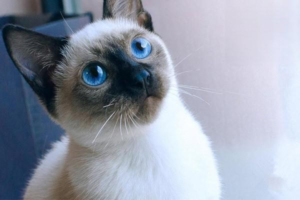
Symptoms and Treatment of Feline Distemper
Feline distemper, also called feline panleukopenia or feline infectious enteritis, is an acute, highly contagious disease in cats. A cat with distemper shows: reduced white blood cells, reduced appetite, soft stool, vomiting, fever, dehydration, and other symptoms.
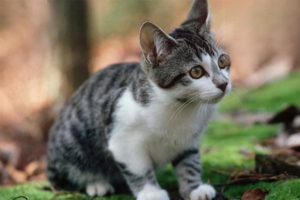
Feline Distemper: Causes, Symptoms, Incubation Period and Treatment
Feline distemper is no joke—it can take a cat's life and spread to more healthy cats, causing more to die from it. So how do cats get it, and how should feline distemper be treated?