Search Results
461 results for “cat diarrhea”
A Complete Guide to Cat Diarrhea
Diarrhea is simply stool with too much water, but its causes are many: osmotic, secretory, permeability, or motility driven. It may signal gut disease or something elsewhere like the liver, thyroid, or kidneys. This guide breaks down the types, classifications, common diseases, and a sensible first-response plan.
What does cat diarrhea look like?
Normal stool is firm and cylindrical; diarrhea is soft, loose, or watery with a stronger odor. Causes include parasites and bacterial/viral enteritis. Bloody or tarry stool suggests panleukopenia—see a vet at once.
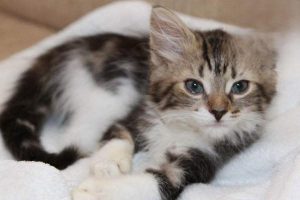
What to Do When a Food Change Gives Your Cat Diarrhea
Switching cat food too quickly is a common cause of diarrhea. Rule out a bad batch, feed age-appropriate food—no dry kibble for kittens under three months—and use a probiotic during the transition; most mild cases settle with gentle gut support.
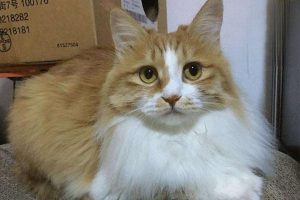
How to Prevent Cat Diarrhea
Cat diarrhea is usually diet- or disease-related, and both are preventable. Transition food slowly, keep up vaccines and deworming, and support gut health with regular probiotics and steady warmth.

Can Cat Diarrhea Heal on Its Own?
Mild diarrhea from a food change or irregular eating often settles with a short fast and a gradual diet fix, but disease-related diarrhea needs a vet. Stop loose stools with an anti-diarrheal, then rebuild gut flora with a probiotic.
Why Your Cat’s Diarrhea Persists Despite Probiotics
It is a common story: your cat has soft stool or diarrhea, you reach for a probiotic, and the problem does not go away. Probiotics can help the gut, but they are not a cure for every loose stool, and not every product on the shelf is what it claims to be. Understanding why they sometimes fail points you toward the real fix.
Choosing Food for a Cat With Chronic Soft Stools or Diarrhea
Low-fat diets are often prescribed for cats with chronic digestive trouble, borrowed from human thinking, but is that right for an obligate carnivore? A controlled study of sixty cats with chronic diarrhea found no real difference between low-fat and high-fat diets, and that cats handle animal fat efficiently. The takeaway: choose food built on quality animal protein and fat rather than worrying about fat level.
What to Do When Your Cat or Dog Has Chronic Constipation, Diarrhea, or Indigestion
About 60 to 80 percent of a cat or dog's immune system resides in the digestive tract, and a healthy gut is the body's first line of defense against pathogens and toxins. When the intestinal flora falls out of balance, pets frequently develop constipation, diarrhea, and poor digestion and become far more prone to illness. Diet, stress, medications, and a naturally smaller microbiome all influence gut health. Probiotics can help restore balance, but most beneficial bacteria are destroyed by stomach acid or by heat during food processing. This guide explains why gut balance matters, what disrupts it, and how to choose a heat- and acid-resistant, high-activity probiotic that actually survives to reach the intestines where it is needed.
Cat Has Chronic Diarrhea? It’s More Than a Sensitive Stomach
Long-term diarrhea in cats is rarely just a 'delicate stomach' you can fix by swapping food or adding probiotics. Diet and food allergy are common, but so are parasites (some needing specific drugs), inflammatory bowel disease, and metabolic diseases like pancreatitis, hyperthyroidism, or kidney disease. Stress is a third driver. Work through the causes step by step and let a vet run the right tests.
Can I give my cat smectite (adsorbent anti-diarrheal) and a probiotic at the same time?
Smectite is an adsorbent anti-diarrheal, while the probiotic mainly treats diarrhea, constipation, and indigestion from gut-flora imbalance. Give the smectite first, then the probiotic 1–2 hours later; if symptoms do not improve, stop and see a vet.