Search Results
781 results for “cat diarrhea treatment”

Why Do Cats Get Gastroenteritis?
Cat gastroenteritis is the most common pet illness, usually from spoiled food, a kitten's shallow stomach overloaded with food, lactose intolerance, sudden weather shifts, or poisoning. Treat with a short fast to heal the gut lining plus a cat-specific antibiotic, and head to a vet if there's no improvement — never use human stomach medicine.
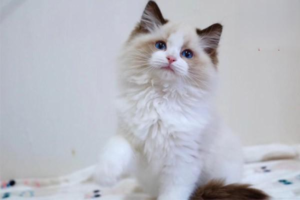
How to Tell Cat Distemper from Gastroenteritis
Cat distemper (panleukopenia) runs in stages — latent, then falling appetite, then vomiting and diarrhea with dehydration and fever, then a critical phase with watery stool and anemia. The key point: distemper is a viral gastroenteritis, far more dangerous than ordinary gut inflammation.

Is Feline Rhinotracheitis (Cat Flu) Serious?
Cat flu (feline herpes/calicivirus) is mild in early stages — good food, warmth, and cleaning clear it — but late-stage signs like pus, eye cloudiness, and appetite loss need medication. Catch it early and most cats recover well at home.

Understanding Kidney Disease in Cats
Cats are built to conserve water, so chronic kidney disease is nearly universal in older cats and a leading cause of illness. Watch for early signs like increased drinking and urination, keep water and wet food available, and catch problems early with routine blood and urine tests.

Can a Cat Recover from Feline Distemper on Its Own?
Feline distemper (panleukopenia) almost never clears without treatment; only a "false" case, where a vaccinated or robust cat carries the virus without symptoms, can be managed by boosting immunity. The virus is highly contagious, survives in the kidneys for over a year, and causes appetite loss, fever, vomiting, and diarrhea, so veterinary care and strict hygiene are essential.

How Long Does Cat External Deworming Take to Work?
External deworming kills fleas, lice, and mites within about three days, but it does not replace internal deworming — fleas carry tapeworms. Bathing will not remove fleas, so use vet-recommended products and follow the timing rules for oral doses.

What to Give a Dog for Diarrhea (and What Works Fast)
Diarrhea treatment starts with identifying the cause from the stool: loose yellow stool usually means a chill, yellow-black stool with debris calls for a 24-hour fast, and black soy-sauce-like stool points to a sugary diet. Puppy diarrhea has six common triggers — from overfeeding to parvovirus — and the right fix is gut rest, fasting, and medication rather than blind dosing.
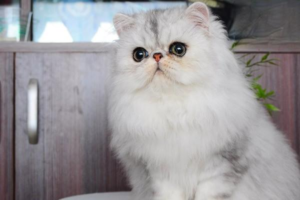
How Cat Health Relates to Nutrition
Pet cats are fully domesticated and far more delicate than stray cats, so nutrition — not just any kibble — is what keeps them well; spend on prevention through good food rather than on treatment. Favor natural options like raw meat, egg yolk, and goat's milk, use immune boosters such as transfer factor, and skip treat-pouches and gravy toppers that are mostly attractants.

Acute Pancreatitis in Cats and Dogs
Acute pancreatitis is self-digestion of the pancreas by its own enzymes, striking dogs far more often than cats and showing as sudden belly pain, shock, and peritonitis. Triggers range from bile-duct blockage and fatty meals to infections and certain drugs; treatment focuses on shutting down pancreatic secretion, controlling infection and pain, and correcting fluids — and the hemorrhagic form carries a guarded prognosis.
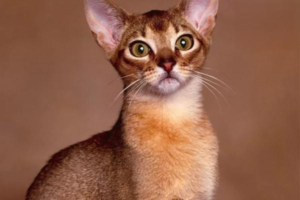
Why Older Cats Are Prone to Hyperthyroidism
Hyperthyroidism is the most common endocrine disease in cats, especially those over 8, caused by an overactive thyroid flooding the body with hormone and stressing every organ. Look for weight loss with a ravenous or fading appetite, restlessness, a fast heart rate, and more; it's very treatable with medication, surgery, radioiodine, or an iodine-restricted diet, and early care brings a good outlook.