Search Results
68 results for “cat development”
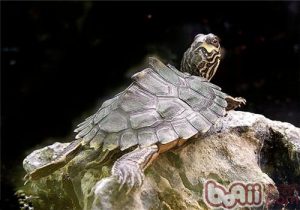
Graptemys pulchra (Alabama Map Turtle)
The Alabama map turtle resembles the red-eared slider in habits, with head striping and a protruding keel. Named for its map-like yellow markings, it feeds mainly on aquatic clams and snails, crushing shells with its hard jaws.

Canine and Feline Glaucoma: Symptoms, Treatment, and Prevention
Glaucoma is raised pressure inside the eye of dogs and cats from blocked fluid drainage, damaging the retina and optic nerve and risking blindness. It is managed with pressure-lowering drugs and, sometimes, surgery.

Male Dog Feminization Syndrome
Feminization syndrome in male dogs is caused by a testicular (Sertoli cell) tumor or excess estrogen medication, producing enlarged breasts, milk flow, and attraction of other males. Surgical removal of the affected testicle is the main treatment.
How good is Frontline (flea and tick spot-on)?
Frontline uses fipronil and methoprene to kill fleas and ticks and block larvae, but costs about 70-90 yuan per monthly dose.
Can I keep my dog from growing big, and is that safe?
A dog's size is set by genetics and can't be changed by care or drugs. Growth-stunting medications seriously harm health and shorten lifespan, and severe diet restriction hurts bone and muscle development and can cause lethargy or even anemia. Choose a small breed instead.

Why You Should Groom Your Dog Regularly
When you bring your dog out of the grooming salon, your pet usually looks refreshed, not only handsome and beautiful but also very energetic. Good regular grooming keeps your dog clean and comfortable all year round. Most groomers will recommend grooming your dog every 6 to 8 weeks, but the exact frequency may depend on the dog's breed, lifestyle, and your styling preferences for your pet. Knowing your options in advance can help you communicate better with the groomer and develop an effective grooming plan.

Symptoms of Inflammatory Bowel Disease in Dogs
Canine IBD is a group of gastrointestinal diseases involving infiltration of inflammatory cells into the dog's gastrointestinal tract. IBD can affect the upper and lower digestive tracts and is the most common cause of chronic vomiting and diarrhea in dogs. The cause of IBD is not yet clear. This article covers its symptoms, diagnosis, and treatment.

Degenerative Joint Disease (Arthritis) in Dogs: Diagnosis and Treatment
Degenerative joint disease wears away the smooth cartilage that lets joints move without pain. It can last a dog's lifetime, so early recognition, accurate diagnosis, and weight and medication management matter most.
- « Previous
- 1
- …
- 5
- 6
- 7