Search Results
208 results for “cat dandruff”

Why Your Cat Is Shedding
Both long- and short-haired cats shed daily, and you can't stop it, only manage it. Seasonal change, the wrong shampoo, or stress are the usual reasons, with endocrine disease a rarer one. Brush often, use a cat-specific wash, and comfort a stressed cat to cut the loss.

Coat Care That Keeps Your Cat’s Fur Smooth and Shiny
A cat's coat reflects daily diet and care. Poor food, old age, or too-frequent washing dulls the fur, while quality food, a gentle shampoo, and the right vitamins bring back shine and softness.

Is Dandruff on a Puppy Normal?
Dandruff from normal shedding is too small to see; visible flakes mean a likely skin problem—fungal disease, allergic dermatitis, too much salt, parasites or hormone issues. Bathe on a schedule with puppy shampoo, keep the coat dry, and balance nutrition; persistent flakes need a vet.
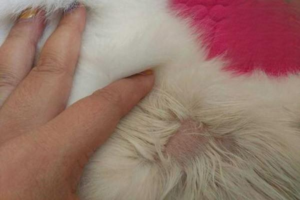
What Ointment to Use for Cat Skin Disease
Cat skin disease comes in four types — bacterial, fungal, allergic, parasitic — with fungal and parasitic the most common. Clip the fur, apply an antifungal spray and ointment for 4–6 weeks, add vitamin B, and bathe only with a gentle shampoo.
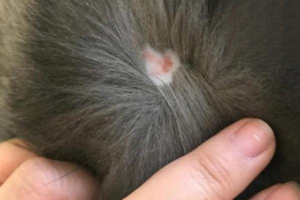
Will Cat Ringworm Heal on Its Own?
Cat ringworm won't clear up by itself — left alone it spreads and worsens. It comes from parasites or fungus; treat by isolating, clipping, and applying antifungal spray and ointment, with a 4–6 week course and good nutrition.

Winter Coat Care for a Healthy Dog Coat
A glossy coat starts with the right nutrients: enough protein, healthy fats, omega-3s, and vitamin E. Balanced dog food remains the base, with targeted extras like egg yolk, lean meat, and salmon oil for shine.

How to Treat Mites in Dogs
Dogs pick up mites easily, and an untreated infestation leads to skin disease. The three main types — sarcoptic, demodectic, and ear mites — each show distinct signs, and treatment runs from topical sprays and ointments for mild cases to injections for widespread infection, with prevention built on regular parasite control and good skin nutrition.

What to Do When Your Rabbit Is Shedding
Rabbit shedding is usually seasonal and harmless, but patchy hair loss with heavy dandruff, red spots, or sores signals a skin condition that needs a vet. During a normal coat change, brush your rabbit often and clear away loose fur to prevent hairballs—and skip human shampoos and unneeded medication.

A Complete Guide to Internal and External Deworming for Dogs
Deworming covers internal parasites (roundworms, hookworms, tapeworms, toxoplasma) and external ones (lice, fleas, ticks, mites), several of which can pass to people. Treat internally with oral medication and externally with spot-on or spray, dose by weight, and keep puppies on a monthly schedule until adult.

Why Your Dog Has Red Bumps
Red bumps on a dog usually signal a skin condition caused by bacterial/fungal infection, parasites (mites, fleas, lice), or irritation. Find the cause, use only approved veterinary medications, and prevent recurrence by limiting grass play, avoiding infected animals, keeping the environment dry, and disinfecting bedding.