Search Results
46 results for “cat cystitis”

Male Cat Cystitis with Pink Urine: A Recovery Case
A 4-year-old male cat had on-and-off pink, blood-tinged urine—classic of cystitis, urethritis, or crystal irritation of the lower urinary tract, which causes frequent, scanty, painful urination. A diuretic to flush the tract plus an antibiotic for infection, with plenty of water and clean litter, brought normal urine color in about three days. Recurring pink urine, though, deserves a vet check for stones.
What Causes Cat Dacryocystitis (and How It’s Treated)
Cat dacryocystitis (inflammation of the tear ducts/sac) can stem from genetics, facial structure, environment, or eye disease. Flat-faced breeds like Persians and Exotic Shorthairs are prone to blocked ducts. Keep the eyes clean and the environment dust-free to prevent it. Treatment targets the cause: gentle cleaning and vet-guided drops (antibiotics, anti-inflammatories, lubricants), surgery for severe cases to clear the sac, and a clean, humidified home to ease symptoms.

Cystitis in Dogs and Cats
Cystitis is inflammation of the bladder lining, usually from bacterial infection, causing painful, frequent urination with cloudy or blood-tinged urine. It is most common in female dogs and cats. Most cases respond well to antibiotics and supportive care, but a deep infection can become systemic.
Why does my cat urinate frequently but only pass a little each time?
Frequent, scanty urination suggests cystitis, urinary stones, urethral spasm or blockage, especially in males. Stress or low water intake also contributes. See a vet promptly.

How to Comfort a Cat After It Gets Scared
Move a scared cat to a quiet, enclosed space (a bedroom or carrier) with its familiar blanket and toys, close doors and curtains, and use a pheromone spray. After it settles, crouch about a meter away, offer a finger for it to sniff, then pet the forehead or chin. Keep the home calm for 24 hours. Watch for signs of true stress — not eating, vomiting, or straining to urinate — and see a vet if they appear.

Common Bad Habits in Cats and How to Fix Them
Common cat bad habits include biting, picky eating, and disturbing the owner's sleep. Many of these habits form because of the owner's own behavior — playing with hands or giving snacks without limit. Learning the right way to raise a cat is the best way to prevent them.
Dry or Wet Cat Food: Which Is Better? (Most Owners Pick Wrong)
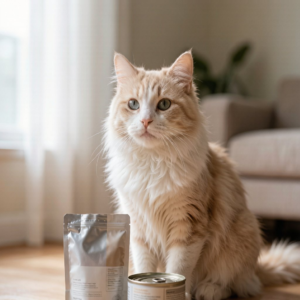
Neither dry nor wet food is absolutely better; it depends on the cat. A healthy adult can follow a "dry in the morning, wet in the evening" rule, meeting nutrition and water needs while avoiding spoilage. Special cases, senior cats with poor teeth, 2-3 month kittens, and cats with urinary disease, should lean toward wet food. The catch: long-term wet feeding needs extra dental care. Dry food is convenient, cheap, and helps scrape teeth but is only ~5% moisture and calorie-dense, raising dehydration and obesity risk. Wet food is 70-80% moisture, tastier, and nutrient-rich but costs more, spoils fast, and leaves more residue on teeth.

Yes, Cats Get Jealous: 5 Signs to Watch For
Cats may look aloof, but they do feel jealousy, rooted in a strong sense of ownership. When a new pet arrives or you focus on another animal, a cat may fixate on the "rival" while emitting a low growl. Some cats act out by spraying, destroying things, or fighting; others go quiet, hide, and refuse food. That withdrawal reflects sadness and anxiety, and if ignored it can harm health, lowering immunity, causing weight loss, or triggering feline idiopathic cystitis. The good news is that jealousy means your cat cares; more one-on-one time and a slow introduction of newcomers resolve most cases.
Why does my cat urinate frequently but only a little each time?
This often signals urinary disease - idiopathic cystitis, urethral spasm, stones or obstruction - or stress and low water intake. See a vet to find the cause.
What to Do When Your Cat Won’t Drink
Cats naturally drink little, inherited from desert ancestors - but too little causes trouble. Early signs are concentrated, yellow urine; over time come cystitis, bladder stones and kidney stones. Need: about 40-60 ml per kg per day, or roughly 1 ml per calorie eaten. Remember food counts: dry kibble is ~10% water, cans ~80%, so a cat eating 300 g kibble and 100 g can already gets 110 ml from food and needs only ~90 ml more. Boost intake with multiple bowls changed daily, a fountain cats prefer, and weekly wet food - the most direct fix.