Search Results
78 results for “cat covers face”
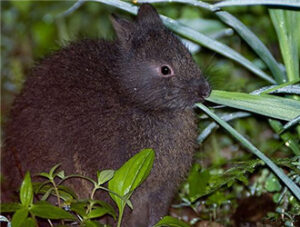
Amami Rabbit
The Amami Rabbit, also known as the Ryukyu rabbit, is an ancient wild rabbit with short ears, native to Japan and considered a living fossil and close relative of the Arctic hare. It is listed as Endangered (EN) on the IUCN Red List.

Goldfish Moods and Behavior: Reading Their Emotional and Health Signals
Goldfish express distinct moods through their swimming and feeding behavior: active, eager swimming signals contentment, while prolonged bottom-sitting or lying on the side often points to stress, fear, or illness. Because low mood and sickness can look alike, judge a fish by its body color, gill condition, water quality, and appetite rather than behavior alone.
When is a Rottweiler’s ear a “fly ear”?
A Rottweiler's ear is a fly ear when it sticks up; normally triangular and flat against the face. Some have pseudo fly ears that relax. Taping can correct it: fold outward, tape the middle, keep the base arched up for a day, repeat if needed.
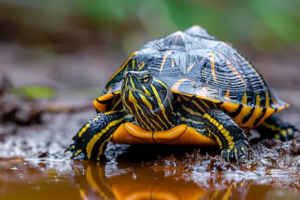
What Are the Common Diseases in Aquatic Turtles?
Common aquatic-turtle diseases—shell rot, colds, digestive illness, parasites, and white-eye disease—usually stem from poor feeding, dirty food, or bad water. Manage water quality and diet, keep the habitat right, and feed clean food to cut risk. Each condition has distinct signs and a targeted treatment, from shell cleaning to warm-water isolation.

How Good Is a Hamster’s Vision?
Hamsters are near-sighted and see a blurred, mostly colorless world, relying instead on keen smell, hearing, and touch. Because they cannot judge distances or heights, keep their platform low and the environment calm, quiet, and free of strong scents.

Causes and Treatment of Feline Urethral Obstruction
Feline urethral obstruction is usually caused by urethral stones (from poor diet, low water intake, or infection) and is an emergency—especially in male cats with their narrow urethra—with signs of straining, little urine, and blood. Clear the blockage at a vet promptly, then prevent recurrence with more water, balanced low-Mg/low-P diet, exercise, and regular urine checks.
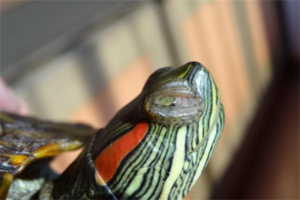
What Are the Symptoms of Turtle White-Eye Disease?
Turtle white-eye disease is a bacterial infection: early signs are a red, whitening nictitating membrane with discharge, worsening to swollen, stuck-shut eyelids and a cloudy cornea, often with lost appetite. Treat with gentle cleaning plus antibiotic eye drops and ointment (and oral antibiotics for severe cases), warm the habitat, and keep water clean to prevent it.

What Are the Common Eye Diseases in Dogs?
Dogs can develop several common eye problems, including conjunctivitis, keratitis, entropion, and cataracts, each with distinct signs such as redness, tearing, cloudiness, or a whitish discoloration. Some breeds are more prone to certain conditions, but daily eye checks and prompt cleaning of discharge go a long way toward prevention.

Can a Dog’s Protruding Eye Be Saved?
A dog's eye bulging from its socket needs urgent veterinary care. Causes range from the fatty pad behind the eye being pushed forward—common in short-nosed breeds like Pugs and Boston Terriers—to tumors, thyroid issues, infection, or trauma. Treatment is either replacing the eye or, in severe cases, removal. Gently clean around the eye before the visit, and keep up regular eye and health checkups to catch problems early.
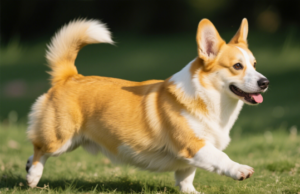
Are Corgis Prone to Patellar Luxation?
Corgis are indeed a high-risk breed for patellar luxation. Data from the Orthopedic Foundation for Animals (OFA) puts corgis in the top three among small breeds, with about 20%–30% developing some degree of the condition. The cause is twofold: a genetic mutation that leaves the trochlear groove too shallow to hold the kneecap, and a short-leg bone structure that angles the femur and tibia inward by 15°–20° more than usual, pushing the patella out of place. The problem is graded I–IV, from occasional skip-hopping to permanent dislocation. Mild cases are managed with joint supplements and limited exercise, while grades III–IV usually need surgery. Keeping the dog at a healthy weight and avoiding stairs and jumping are the best prevention.