Search Results
195 results for “cat coronavirus”
How long does cat coronavirus treatment take?
Cat coronavirus treatment usually takes 1 to 2 weeks, depending on severity. If the cat shows no or mild symptoms, no treatment is needed, just boost immunity. If it develops FIP, a vet may use the drugs 376 or 441 plus symptomatic care.
My cat has diarrhea but good energy, vomited once last night, first vomit, blood test shows coronavirus positive
Coronavirus positive with vomiting and diarrhea suggests the disease has developed. Use interferon to block viral replication plus immunity boosters, and see a vet for interferon shots and symptomatic meds (anti-inflammatory, anti-vomit) for diarrhea and vomiting.
My puppy just came home and wouldn’t eat or drink (belly maybe rumbling), but ate the next day; then the hospital found coronavirus. The next few days it eats and drinks a little, not much, but urination and defecation are normal. The vet said no abnormality, no treatment needed. Is something wrong, does it need treatment?
Puppies with obvious coronavirus symptoms need vet care, but yours only eats little. Offer palatable soft food; if it refuses, get nutrient fluids at the vet to keep appetite and nutrition up, since not eating can cause dehydration and spread the virus.
What happens if a cat is infected with feline coronavirus?
Most cats carry gut coronavirus without symptoms; FIP is the dangerous form. Here is the distinction.

Why Your Cat Won’t Eat, Looks Lethargic, and Is Losing Weight
A cat that stops eating grows weak and thins fast, and prolonged refusal can be fatal, so find the cause. Look to gut disease, viral infection like panleukopenia or rhinotracheitis, parasites or hairballs, or unspent heat, and see a vet when unsure.

Treating E. coli Infection in Dogs and Cats
Colibacillosis is an acute intestinal infection of young dogs and cats caused by pathogenic E. coli, marked by fever, vomiting, and foul-smelling diarrhea that can turn fatal. It mimics many other diseases (distemper, parvovirus, salmonellosis), so a lab test is needed for diagnosis; treatment is antibiotics chosen by sensitivity testing plus strict hygiene and early colostrum.
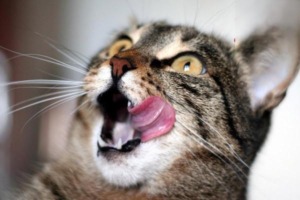
Feline Coronavirus: What Owners Should Know
Most cats carry feline coronavirus and shed it in stool within two days; many show no signs, and gut cases often self-resolve. It can, rarely, mutate into FIP when the virus replicates strongly. Cut risk by avoiding multi-cat crowds, vaccinating, cleaning, and boosting immunity.

Dog Coronavirus: Symptoms and Prevention
Canine coronavirus starts with lethargy, appetite loss, vomiting, and watery diarrhea, and hits puppies hardest — dehydration, sunken eyes, and, without treatment, death within 1–2 days. Prevention is hygiene: daily kennel cleaning, disinfected bowls and water, colostrum for newborns, and immediate isolation plus vet testing at the first sign.

Spring Care Tips for Dogs and Cats
Spring warms things up but also kicks off parasite and disease season, so make deworming, coat care, and early infection watch your priorities. Keep the environment clean, brush daily through the shed, and see a vet fast at any sign of lethargy, vomiting, or discharge.
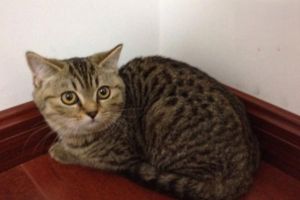
Can Cats Get a Fever?
Yes, cats do get fevers, though their naturally higher body temperature makes it hard to spot. Watch for a dry, hot nose, warm ears and tail tip, lethargy, and heavy drinking, and confirm with a rectal thermometer reading.