Search Results
675 results for “cat comfortable”
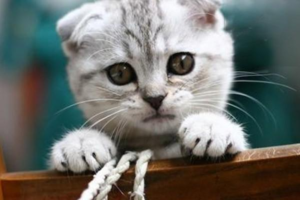
Daily Care for Cats
A few things to know about keeping cats. Homes with pet cats must pay special attention to cleaning; this affects both the pet's health and our own lives, but some corners are always overlooked. Let's look at daily care notes for raising cats.

Causes and Symptoms of Acute Hepatitis in Cats
Acute hepatitis in cats shows as vomiting, fever, poor appetite, weight loss, and yellowed skin (jaundice). Causes range from viruses and bacteria to heart failure, toxins, and drug allergies. Here is a detailed look.

Causes and Treatment of Cat Pharyngitis
Cat pharyngitis is divided into primary and secondary types. Primary pharyngitis mostly comes from injury to the pharyngeal mucosa, while secondary pharyngitis comes from infection spreading to the throat. Their treatments differ slightly. Here is a detailed look at the causes and treatment of cat pharyngitis.

The Causes and Dangers of Cat Pharyngitis
Many people have suffered from pharyngitis themselves and know it is uncomfortable, slow to heal, and prone to recurrence. What you may not realize is that cats can develop pharyngitis too and endure the same distress. Here is what cat owners should know about the condition.

Common Allergens That Trigger Cat Asthma
Cat asthma is mainly allergy-driven, and cats are naturally hypersensitive. Many everyday items — perfume, air fresheners, smoke, dust, even obesity — can set off an attack. Learn the common allergens and the warning signs of an asthma episode.
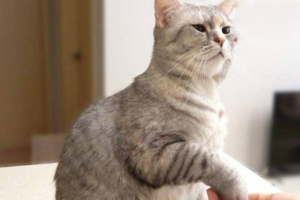
What to Do When a Cat Pees Outside the Litter Box After a Litter Change
Cats are sensitive creatures, and suddenly switching litter can make them refuse the box and eliminate around the house. The main causes are an unfamiliar scent, uncomfortable texture, or heavy dust, and the fix is usually reverting the litter or re-training with scent. Other causes include heat, urinary disease, and stress.

Cat Colitis: Symptoms & How to Treat
Cat colitis starts with normal appetite but frequent soft, bloody, foul stools and can progress to watery sprayed diarrhea. Home care uses amoxicillin and bismuth; prescription care may add atropine, gentamicin, or fluids.

How to Prevent Cardiomyopathy in Cats
Cardiomyopathy cannot be cured, so prevention is everything. Annual check-ups, taurine-rich balanced food, a calm low-salt home, and fish-oil/vitamin E support are the best ways to lower a cat's risk.

What Medicine Helps a Cat That Wheezes Often?
Recurring wheezing in cats usually means feline asthma — a chronic, allergy-driven bronchitis. Learn the common triggers and the drug options: oxygen, steroids, bronchodilators, antibiotics, inhalers, and aminophylline.

How Feline HCM Can Cause Sudden Death in Cats
Feline hypertrophic cardiomyopathy (HCM) is a common, inherited heart condition that can trigger sudden death from stress. Learn the signs, the risk in certain breeds, and how a calm, low-stress life helps prevent tragedy.