Search Results
675 results for “cat comfortable”
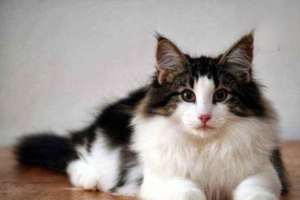
How to Train Your Cat to Drop and Play Dead on ‘Bang’
You can teach a cat trick commands using body language and a consistent 'bridge' word rather than expecting it to understand human speech. Start in a quiet, comfortable room with the cat a little hungry, then teach 'sit' (front legs up, hind legs down, rump on the floor) with freeze-dried rewards. Once that's solid, add the 'bang' signal—a finger gun—and guide the cat into a play-dead pose, holding it and rewarding. Repetition and treats are the whole secret, and a second cat speeds learning through friendly competition.

Recipe: Cat Meatball “Tangyuan” Treats
These little meat "tangyuan" (dumplings) are a fun, simple cat-meal topper. Blend beef, chicken, and tuna into separate pastes for different flavors, roll each into a firm ball by tossing between your hands, then boil in gently simmering water for two to three minutes. Slice them open before serving — the cut releases more aroma and improves palatability — and always let them cool to a comfortable temperature first. Suitable for cats over one month old.

Can a Cat Catch a Cold from Sleeping on the Floor?
Sleeping on the floor doesn't automatically make a cat sick—if the room is warm and the cat is healthy, it's fine—but a cold floor in a chilly room, especially for a low-resistance cat, easily leads to a cold or even diarrhea. Cats are comfortable around 25–28°C, and they sleep 14–15 hours a day, so long floor sessions raise the risk even for tough cats. If your cat loves the floor: keep it clean, add a mat or bed where it sleeps, and set the room to a comfortable temperature. A floor nap is okay in summer to cool off, but avoid it right after a bath or illness, and skip it in winter.

How to Boost Your Cat’s Immune System
Keeping your cat's immunity strong is essential for a healthy, happy life, letting it better resist disease. Boosting immunity takes a combined approach: feed a scientifically balanced diet, encourage moderate exercise, keep the living environment clean, stay up to date on checkups and vaccinations, maintain daily grooming, and reduce stress by providing a stable, secure home. Together these measures build a robust immune system so your cat stays healthier and enjoys life by your side.

Is It Normal for Cats to Bite Their Nails?
Cats may bite their own nails for several harmless reasons. Overgrown nails can curl and hurt the paw pads, prompting the cat to trim them by mouth, so regular claw clipping is important. Dirt, itchiness, or injury around the nail also leads to nibbling, and you should treat the cause — clean wounds and bandage if needed. Biting nails can also signal stress or low mood: changes like new people or pets, a move, being bullied by another pet, or feeling ignored can all trigger it. The fix is to notice what changed and give your cat more attention and companionship to restore calm.

Signs Your Cat Is Getting Older
Cats typically live around 15 years and are considered seniors at roughly seven or eight. As they age you may notice lower energy and longer sleep, a stronger dislike of cold, and a poorer appetite. Dental problems such as loose or missing teeth make eating harder, while slower movement and delayed reactions show declining mobility. Whitening fur around the muzzle and cloudy, dull eyes are also common. Recognizing these changes early lets you adjust daily care so your cat stays comfortable and healthy through its golden years.

Why Won’t My Cat Use the Litter Box?
A cat that suddenly stops using the litter box is sending a signal, not being spiteful. The cause is usually the box itself—dirty, cramped, noisy, the wrong litter, or too few boxes in a multi-cat home—or a health issue like constipation, diarrhea, or joint pain. Stress from changes at home is the third big driver. Fix the box and environment first; see a vet if pain or abnormal stool is involved.

Is a Cat in Heat in Pain When It Won’t Stop Meowing? How to Soothe It
A cat that yowls through heat is genuinely uncomfortable, though not in physical pain—hormone swings bring anxiety and a strong drive to mate, and the loud calls are an instinct to attract distant partners. You can't switch it off, but play, pheromones, warmth, and a calm dim space ease the distress. Spaying is the only lasting cure.

How to Give Your Cat a Glossy Coat
A dull, rough coat usually points to diet, poor care, environment or health. Feed balanced nutrition and add supplements such as lecithin, fish oil and vitamins to lift coat quality. Brush often to clear dead skin and boost circulation, bathe gently as needed, and keep fresh water available. Avoid harsh sun or dry air, and schedule regular checks so skin infection, parasites or other illness are not the hidden cause.
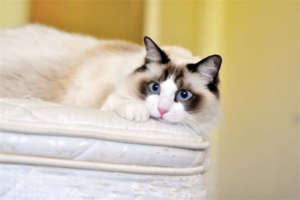
How to Reduce Heavy Shedding in a Ragdoll Cat
A Ragdoll's heavy shedding can stem from seasonal change, poor diet, weak care, stress or an underlying health issue. Brush regularly to stop mats, bathe on a sensible schedule with a gentle cat shampoo, and avoid salty or greasy food while adding omega-3 and vitamins for skin and coat. Keep the home calm and quiet, and if shedding stays severe, have a vet rule out skin disease, allergies, parasites or hormonal problems before treating.