Search Results
675 results for “cat comfortable”

3 Signs Your Cat Is Scared (and How to Help)
Cats are sensitive and scare easily, risking stress and even heart failure. This guide covers three fear responses—tension, refusing food, vomiting/diarrhea—and how to calm and when to see a vet.

How to Clean Up Cat Hair
Cats shed heavily twice a year for a long season, so hair ends up all over the home—and cleaning it becomes a chore for every owner. Here are some handy hair-removal tools worth knowing.

How to Treat Ear Mites in Cats
Ear mites are as troublesome for cat owners as ringworm—both are highly contagious, prone to recurrence, and harmful to your cat's health. Here is what you need to know about feline ear mites.

Why Do Cats Like to Watch You Use the Bathroom
Some owners have experienced a cat watching them use the bathroom—you step in and before you close the door, the cat follows and refuses to leave. You finish under its gaze. At first embarrassing, but you get used to it. So why do cats like to watch? Here is the answer.

Why Cats Yowl at Night
Nighttime yowling in cats can signal stress, heat, pain, or illness. This guide explains the common causes and practical fixes—from a calm sleep spot to vet care when other symptoms appear.

How to Help a Thin Cat Gain Weight
A thin cat may be underweight due to genetics, poor diet, parasites, digestive disease, or dental issues. Rule out illness with a vet first; then raise the diet's nutritional density, feed small frequent meals, and add gentle play to boost appetite and build a healthy body.

How to Tame a Feral Cat
Taming a feral cat takes time, patience, and above all, trust. Because feral cats are naturally wary of people, the first step is to provide a safe, clean space with reliable food and water—and to feed them yourself so they learn your scent and presence. Speak softly, move slowly, and never use force. Once they relax around you, introduce basic commands with positive rewards, and keep up regular vet checks, vaccinations, and daily grooming. With consistency and care, a frightened stray can become a confident, happy house cat.

Why Does My Cat Keep Going to the Litter Box Without Urinating or Defecating?
A cat that frequently visits the litter box—especially a male—may have a urinary issue such as stones, urethritis, or kidney problems, showing as frequent, painful, or bloody urination. Constipation and anxiety can cause similar behavior. Rule out emergencies like blockage and ease stress with a calm, clean environment and more water.
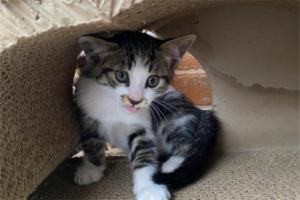
Why Don’t Cats Catch Mice Anymore?
Modern pet cats often ignore mice because their lifestyle has changed. Well-fed house cats have a weaker hunting drive, prefer tender wet food, and may lack exposure to or energy for hunting, especially as they age.

What Happens When a Cat Is Attacked by Another Cat?
A cat that loses a fight can suffer scratches, bites, and bruising that may need veterinary care. Beyond physical harm, it may develop anxiety, hide, avoid people, or turn aggressive toward other pets.