Search Results
134 results for “cat coccidia”
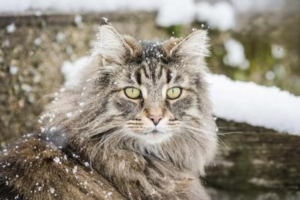
Does an Indoor Cat Still Need Deworming?
Even strictly indoor cats meet parasites via your shoes, plants, drains, and raw-food diets. Internal and external deworming every 1–3 months keeps your cat — and your family — healthy.
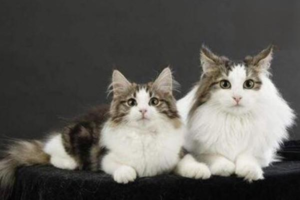
What to Do When a Cat Vomits After Eating Cat Litter
Vomiting after a cat eats litter is usually acute gastroenteritis from gut irritation. Soothe the gut, fix the litter-eating habit, and see a vet if vomiting continues—supportive home care includes short fasting and small, frequent bland meals.

Can a Cat’s Colitis Diarrhea Heal on Its Own?
In the early stage of chronic colitis, cats have repeated difficulty defecating and may appear to heal on their own for a while, but later develop soft stools, diarrhea, and blood in stool, which is usually difficult to heal on its own. So how should feline colitis diarrhea be treated if it cannot heal on its own? Today we explain in detail!
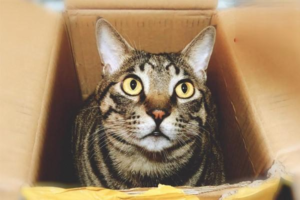
What Causes Bloody Stool From Cat Colitis
Bloody, foul cat stool usually means colitis—from diet change, foreign objects, bacteria, parasites (coccidia, Giardia), drugs, or allergies. Treatment pairs diet and probiotics with targeted antiparasitic, antiallergy, and antibiotic care.

Gastroenteritis in Dogs and Cats: Types, Symptoms & Medication
Gastroenteritis in dogs and cats spans gastritis (acute/chronic) and enteritis (viral, bacterial, parasitic). This guide covers causes, symptoms, and the medication approach—anti-inflammatories, anti-vomiting, anti-diarrhea, dewormers, probiotics—plus prevention.

Why Does Your Cat Have Frequent Diarrhea?
Cat diarrhea has many causes: overeating or hard-to-digest food, gastritis/enteritis, parasites (roundworm, tapeworm, coccidia), congenital enzyme lack, tumors (hepatitis, pancreas), and vitamin/mineral deficiency or toxic plants like lilies.

Can Constant Cat Diarrhea Be Life-Threatening?
Persistent diarrhea can be fatal—causes include food allergy, viral/bacterial infection, parasites like coccidia, organ disease or panleukopenia, and stress. Find the cause with a vet; an unvaccinated cat with diarrhea may have deadly panleukopenia.
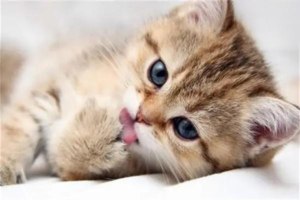
What to Feed a Cat with a Sensitive Stomach
Many cats have delicate digestion, leading to vomiting, diarrhea, and bloating if diet is ignored—and chronic trouble can cause dehydration. This guide covers the warning signs, common causes, and the best foods (gentle kibble, prescription diet, probiotics, and plain toppers) to settle a sensitive stomach.
Cat has diarrhea for days.
Many causes. Food (unsuitable or sudden food change): easy food plus probiotics/kaolin. Parasites (roundworm, coccidia, Giardia, tapeworm): deworm. Acute gastroenteritis, panleukopenia, corona: see a vet.
My cat had blood in the stool once with a dangling drop, now only clear fluid at the anus
Soft stool with blood may come from internal parasites, panleukopenia, indigestion, or damaged gut lining. If the cat is alert and eating, serious panleukopenia is unlikely; messy or changed food suggests indigestion - try short fasting plus probiotics and anti-inflammatory medicine. If not dewormed recently, get a fecal exam for coccidia, roundworms, or giardia.