Search Results
121 results for “cat checkup”

Why Your Cat Always Seems Hungry
A sudden or constant increase in appetite can signal more than a greedy cat. Internal parasites such as roundworms and tapeworms steal nutrients, leaving your cat underfed despite eating plenty. Diseases like hyperthyroidism, diabetes, or tumors also prevent the body from using food properly, so the cat stays hungry and may lose weight. Emotional boredom and stress can trigger comfort eating too. If your cat eats a lot yet keeps losing weight, a veterinary checkup is essential.
Signs Your Cat Is Getting Older
Cats typically live around 15 years and are considered seniors at roughly seven or eight. As they age you may notice lower energy and longer sleep, a stronger dislike of cold, and a poorer appetite. Dental problems such as loose or missing teeth make eating harder, while slower movement and delayed reactions show declining mobility. Whitening fur around the muzzle and cloudy, dull eyes are also common. Recognizing these changes early lets you adjust daily care so your cat stays comfortable and healthy through its golden years.
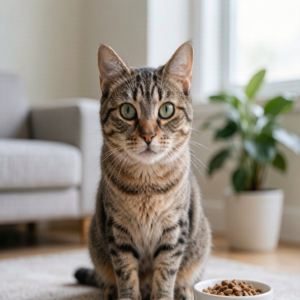
What to Feed Your Cat for a Healthy Heart
A cat's heart health rests heavily on diet. Taurine, omega-3s, L-carnitine, and vitamins E and C are the nutrients that protect the myocardium and slow decline—found in organ meat, lean poultry, salmon, and vegetables like broccoli and spinach. Just as important is what to avoid: salty, fatty, and high-cholesterol foods that strain the heart. Senior and high-risk purebred cats need regular checkups at the first sign of breathlessness.

Common Items in a Dog Health Checkup
A routine dog checkup covers coat and skin, weight, temperature, eyes, ears, teeth, feces, X-rays, and blood work. Many diseases show no early signs and become serious or even untreatable by the time they appear, and older dogs face organ decline and age-related illness, so yearly exams are worthwhile. A typical visit measures rectal temperature (normal 38-38.9°C), checks eyes and ears for cleanliness, assesses coat and weight, examines the mouth for gum or tooth disease, and may add fecal, X-ray, or blood tests as needed.
Pruritus (Itching) in Dogs and Cats: Symptoms, Causes, and Relief
Pruritus is a symptom rather than a disease, signaling an underlying problem such as parasites, eczema, diabetes, endocrine imbalance, or nutritional deficiency. Lasting relief comes from treating the root cause, not just suppressing the itch.

Cardiac Arrhythmia in Dogs and Cats
Cardiac arrhythmia is an abnormal heart rhythm from a fault in the heart's pacing or conduction, showing as an irregular pulse and heart sound. Some forms are harmless, while others cause weakness, collapse, or sudden death. Treatment targets the underlying disease plus rhythm control.

Cystitis in Dogs and Cats
Cystitis is inflammation of the bladder lining, usually from bacterial infection, causing painful, frequent urination with cloudy or blood-tinged urine. It is most common in female dogs and cats. Most cases respond well to antibiotics and supportive care, but a deep infection can become systemic.

Urethritis in Dogs and Cats
Urethritis is inflammation of the urethra that makes urination painful and frequent, with cloudy or blood-tinged urine in severe cases. It is usually caused by a bacterial infection ascending from the lower urinary tract. Veterinary treatment with antibiotics and supportive care resolves most cases.

Chronic Gastritis in Dogs and Cats: Symptoms, Treatment, and Prevention
Chronic gastritis is long-term inflammation of the stomach lining in dogs and cats, causing intermittent vomiting, poor digestion, and weight loss, especially in older pets. It is managed with diet, protective medications, and veterinary-directed treatment.
My 2-month-old Ragdoll’s FCoV titer came back high on a checkup — is that serious?
A high feline coronavirus titer is common in kittens and usually not serious without ascites or other symptoms. Avoid stress, recheck regularly, and vaccinate on schedule to lower infectious-disease risk.