Search Results
1319 results for “cat care”

How to Care for Your Cat in Winter
Cats feel the cold more than their fluffy looks suggest. Warm, safe bedding, careful heating, steady nutrition, and a little extra grooming keep your cat healthy through the winter — and so do the stray cats sheltering by your car.

How to Care for a Cat With Heavy Eye Discharge
A small amount of white discharge is normal for cats, but a sudden increase usually means something is wrong—internal heat, conjunctivitis, or cat flu. Daily cleaning helps, yet the real fix is finding the cause, and pus or severe signs call for a vet.

How to Care for Your Cat’s Nose in Dry Winter
Winter's dry air cracks and chaps a cat's nose, so add humidity, ease outdoor trips, and keep nutrition balanced. A persistently dry, hot nose with fever needs a vet.

Cat Heartworm Disease: Signs and Care
Heartworm spreads to cats through mosquito bites, especially in summer, and can cause cough, fluid buildup, and collapse. Treatment is serious and vet-only; prevention through mosquito control and vet-prescribed monthly preventives is far safer.
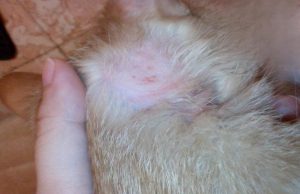
Cat Ringworm: Symptoms and Home Care
Ringworm strikes when a cat's immunity dips, breaking hairs and leaving ring-shaped bare patches. It can pass to people, so isolate the cat, disinfect with iodine, and use a vet-approved antifungal spray plus vitamin B.
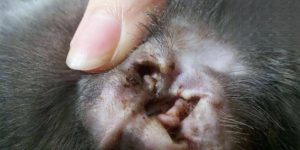
Cat Ear Mites: Symptoms and Care
Ear mites spread easily between cats through contact and cause intense itching and dark ear discharge. Clean the ear first, then apply a vet-recommended topical treatment — and see the vet if pain or balance loss appears.

Autumn Care Tips for Your Cat
Autumn raises three risks for cats: skin trouble from dampness, hairballs during shedding, and weak coats from poor nutrition. Good ventilation, grooming, supplements, and extra water keep your cat healthy through the fall.

Winter Care Guide for Your Cat
Cats feel the cold, so winter means a warm bed, warmed food and water, and sunlight for calcium. Guard against sharp temperature swings and keep your cat active indoors to support immunity.

Coat Care That Keeps Your Cat’s Fur Smooth and Shiny
A cat's coat reflects daily diet and care. Poor food, old age, or too-frequent washing dulls the fur, while quality food, a gentle shampoo, and the right vitamins bring back shine and softness.

Cat Spay and Neuter Care: Details You Shouldn’t Skip
Neutering curbs mating aggression, noisy calling, marking, and heat-related illness, but the surgery is only half the job. Follow the antibiotic course, avoid picking the cat up, and support recovery with good nutrition.